Introduction
While millions of visitors stroll Central Park's main pathways each year, few discover the hidden trails and secret corners that offer a more intimate connection with this 843-acre urban oasis. This guide reveals the lesser-known paths that longtime New Yorkers cherish, taking you beyond the tourist crowds to experience the park's true magic.
The North Woods: Central Park's Secret Forest
Located between 101st and 110th Streets, the North Woods feels remarkably like genuine wilderness. This 90-acre section contains the park's most rugged terrain and offers the closest thing to real hiking within Manhattan.
The Ravine
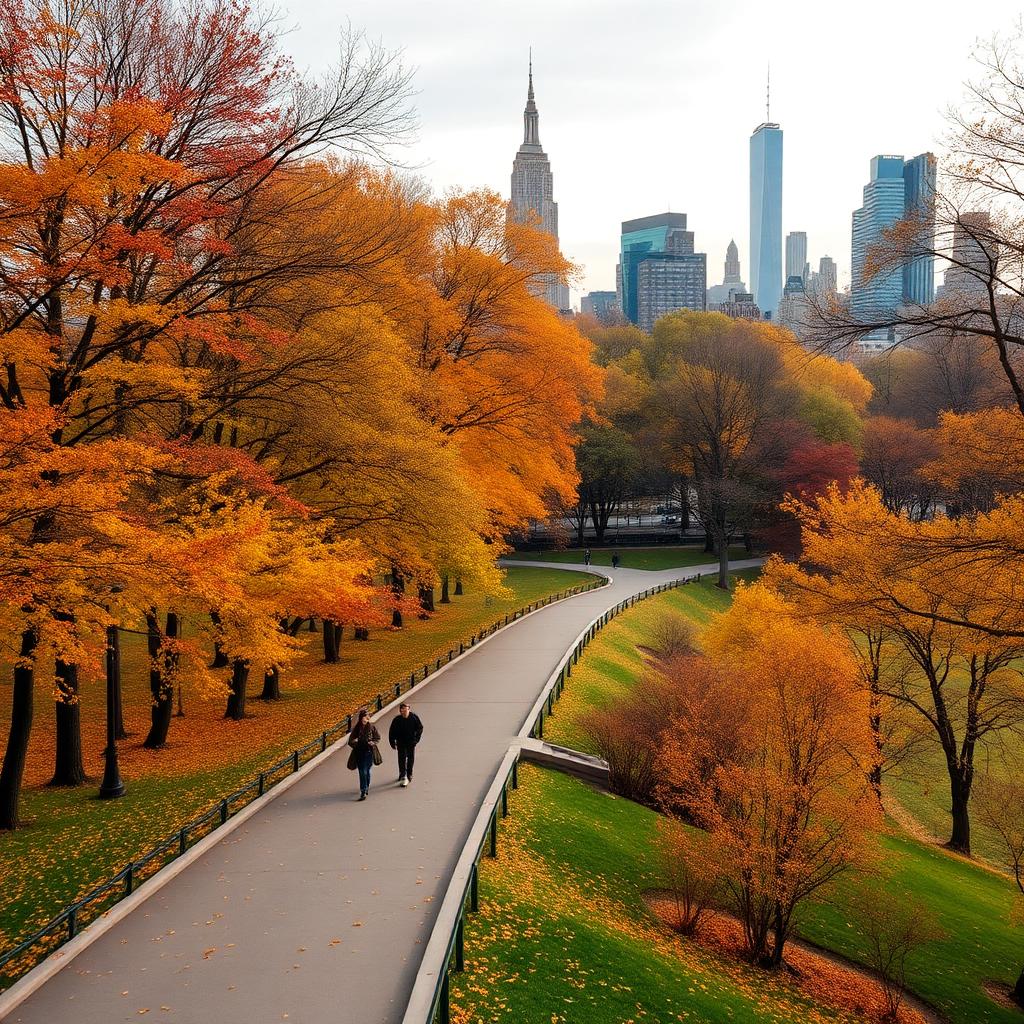
The heart of the North Woods is the Ravine, featuring Central Park's only stream, the Loch. Winding paths follow the waterway through dense forest, past small waterfalls, and over rustic stone bridges. During autumn, the foliage here rivals any upstate destination.
The Pool and the Loch
These connected waterways create a peaceful corridor that feels miles from the city. Early morning visits often reward hikers with sightings of herons, egrets, and other wildlife that call these waters home.
The Ramble: A Victorian Wilderness
Between 73rd and 79th Streets lies the Ramble, a 36-acre wild garden intentionally designed to feel disorienting. This is Central Park's premier birdwatching destination, with over 270 species recorded over the years.
Getting Wonderfully Lost
The Ramble's winding paths, unmarked trails, and hidden clearings were designed by Frederick Law Olmsted to provide mystery and discovery. Embrace the confusion – getting lost here is part of the experience.
Azalea Pond
This hidden gem within the Ramble attracts both birds and bird-lovers. The surrounding vegetation provides excellent cover for observation, and spring brings spectacular azalea blooms.
The Hallett Nature Sanctuary
Reopened in 2016 after decades of restoration, this four-acre woodland at the park's southeast corner represents true urban wilderness. Access is limited to specific hours and trails, making it one of the park's most exclusive outdoor experiences.
Visiting Tips
The sanctuary is open only during limited hours (check the Central Park Conservancy website). Rangers lead guided tours that offer insights into the restoration process and the wildlife that has returned.
Secret Viewpoints and Hidden Gems
The Shakespeare Garden
This formal garden near the Swedish Cottage contains plants mentioned in Shakespeare's works. Winding paths through the terraced landscape offer quiet respite and literary inspiration.
The Conservatory Garden
Central Park's only formal garden, located at 105th Street and Fifth Avenue, features three distinct sections: French, Italian, and English styles. The Burnett Fountain, inspired by "The Secret Garden," delights children and adults alike.
Belvedere Castle's Back Stairs
While the castle itself is popular, few visitors discover the back stairs leading down to the Turtle Pond. This route offers unique views and a sense of discovery.
Seasonal Walking Routes
Spring Flower Tour
Start at the Conservatory Garden for formal plantings, then wind through the North Woods for wildflower displays. End at the Shakespeare Garden for heritage roses.
Summer Shade Walk
On hot days, follow the shaded paths through the Ramble and North Woods. These areas offer temperatures several degrees cooler than the open meadows.
Autumn Foliage Circuit
Begin at the Pool in the North Woods for peak color, continue through the Ramble, and finish at the Mall for the iconic elm tree canopy.
Winter Wildlife Walk
Cold weather reveals wildlife otherwise hidden by foliage. The Hallett Sanctuary and North Woods offer the best chances for bird and animal sightings.
Practical Considerations
Navigation
Download the Central Park Conservancy app for detailed maps and trail information. The North Woods and Ramble can be genuinely disorienting – embrace it, but know help is always nearby.
Safety
These hidden areas are generally safe during daylight hours. Visit with companions if exploring less-trafficked trails, and always let someone know your plans.
Timing
Early mornings offer the best wildlife viewing and the fewest crowds. Weekdays are significantly less busy than weekends, especially in the Ramble and North Woods.
Equipment and Preparation
Wear comfortable walking shoes with good grip – some North Woods trails can be muddy or rocky. Bring water and snacks for longer explorations. Binoculars enhance the experience, especially for birdwatching. In summer, bug spray is essential for the North Woods and Ramble.
Connecting with Nature in the City
These hidden trails offer something rare in Manhattan: genuine connection with the natural world. Take time to sit quietly, observe wildlife, and appreciate the remarkable achievement of urban nature preservation that Central Park represents.
Conclusion
Central Park's hidden trails reward curious explorers with experiences that feel far removed from the city that surrounds them. Whether you're seeking solitude, wildlife encounters, or simply a new perspective on a familiar place, these secret paths offer urban hiking at its finest. Venture beyond the main roads and discover the Central Park that locals love.