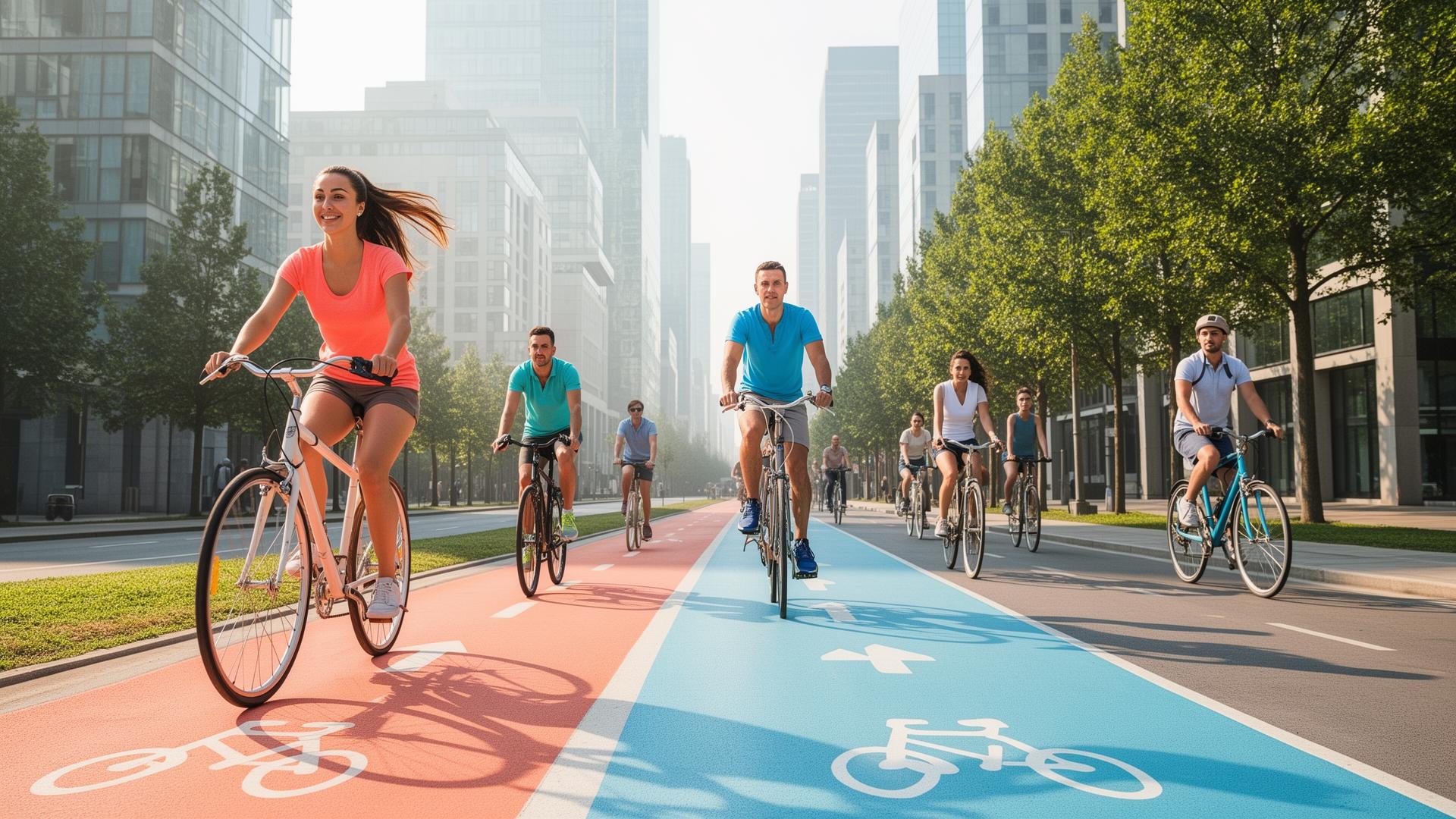
Urban Cycling Guides
Explore cities on two wheels with our comprehensive cycling guides. Routes, tips, and cultural insights for urban cyclists.
Curated Routes
Best city paths
Health Benefits
Active lifestyle
Eco-Friendly
Sustainable travel
How to Choose Routes and Ride Safely
Route Choice
- Favor protected lanes and waterfront paths; avoid heavy arterials at rush hour.
- Plan point‑to‑point rides with transit return options when available.
Getting There & Bike Share
- Many routes start near bike‑share docks; confirm dock density at the start and end points.
- Check bike‑share e‑assist availability for hilly cities.
Preparation & Gear
- Helmet, front/rear lights, bell, basic repair kit, spare tube or patch, and water.
- Wear visible layers and consider gloves for better control.
Safety & Traffic
- Obey traffic laws, signal early, and make eye contact at intersections.
- Watch for door zones, turning vehicles, and poor surface conditions after rain.
Season & Weather
- Wet roads reduce traction; brake earlier and avoid painted markings when possible.
- Use the Home page Weather tool to time rides and select suitable activities.
Accessibility & Family
- Choose low‑traffic loops for kids and beginners; confirm park rules for child seats and trailers.
Common Pitfalls
- Riding at dusk without lights; carry USB‑chargeable units at all times.
- Ignoring wind forecasts on waterfronts; head out against the wind, return with it.
Quick FAQ
- Do I need a special bike? Any well‑maintained city bike or bike‑share works for our routes.
- Are helmets mandatory? Laws vary—check local rules; we strongly recommend helmets.
All Urban Cycling Articles
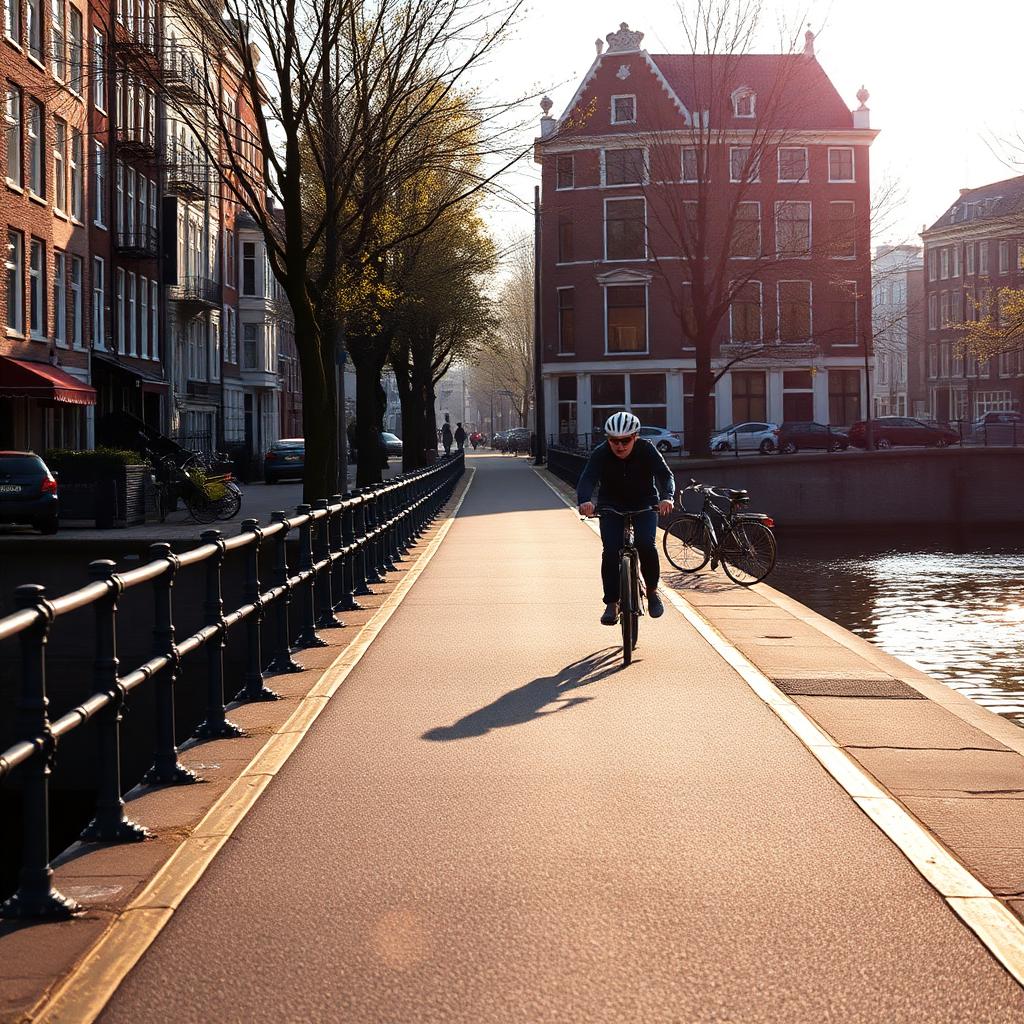
Amsterdam Cycling Culture: Learn from the World's Best Bike City
Discover the secrets of Amsterdam's famous cycling culture and how to apply them anywhere.
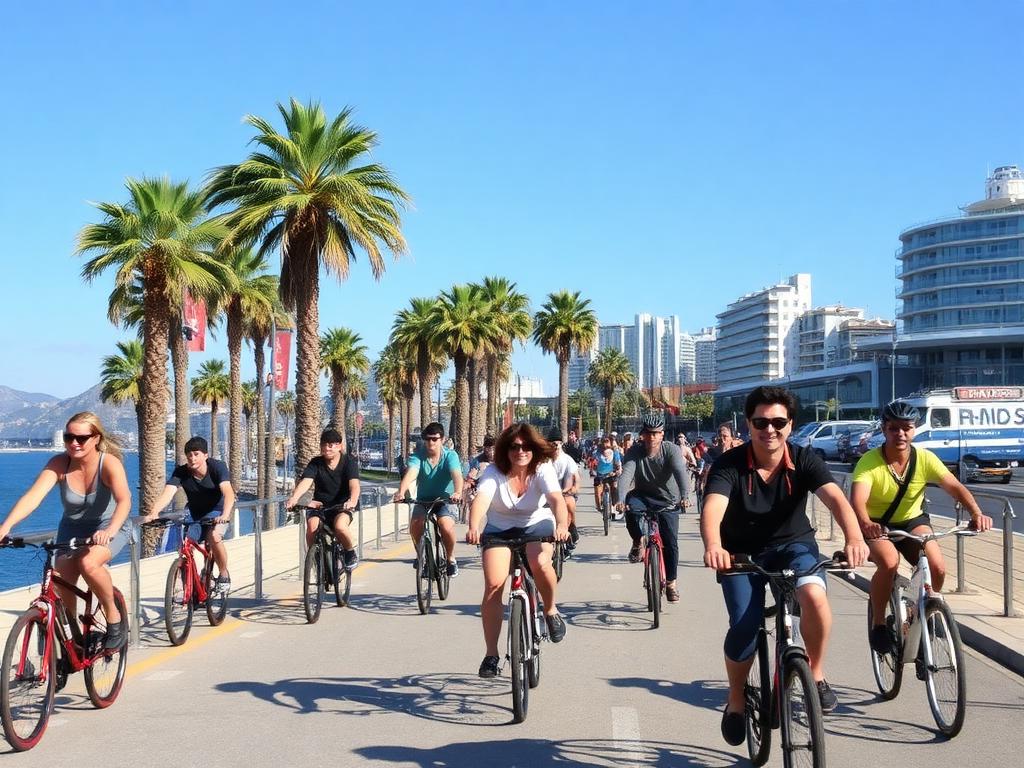
Barcelona Coastal Cycling: Mediterranean Urban Bike Adventures
Explore Barcelona's stunning Mediterranean coastline and vibrant neighborhoods by bike.
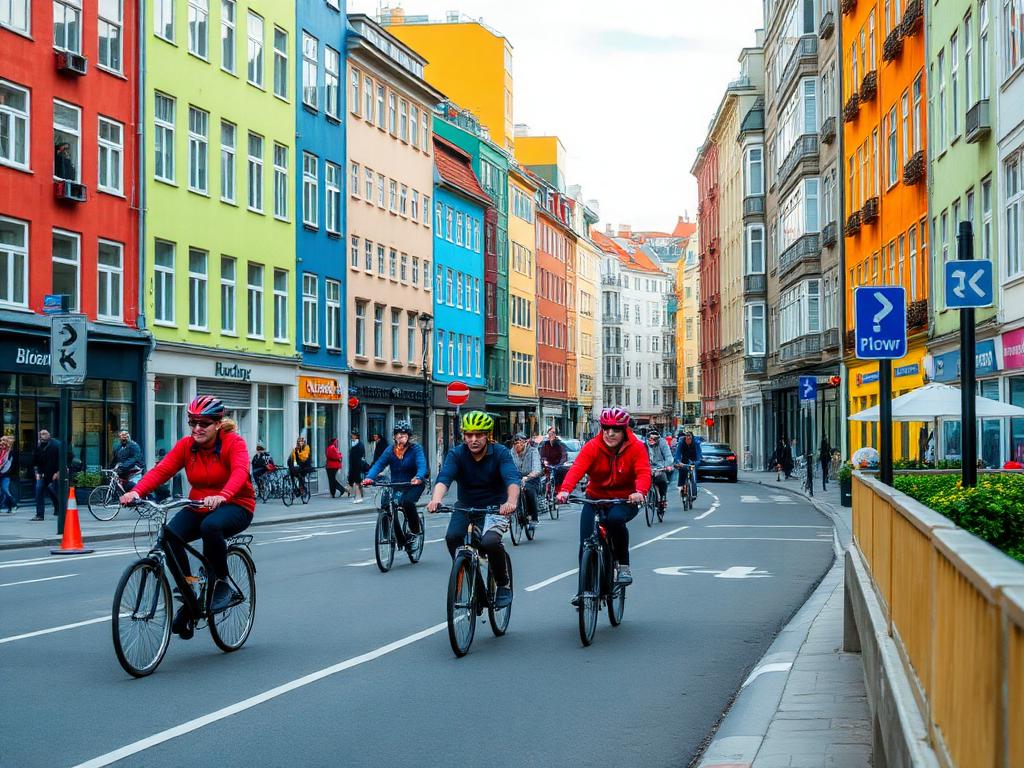
Copenhagen Cycling Culture: Sustainable Urban Transportation in Action
Learn from Copenhagen's world-leading cycling culture and infrastructure.
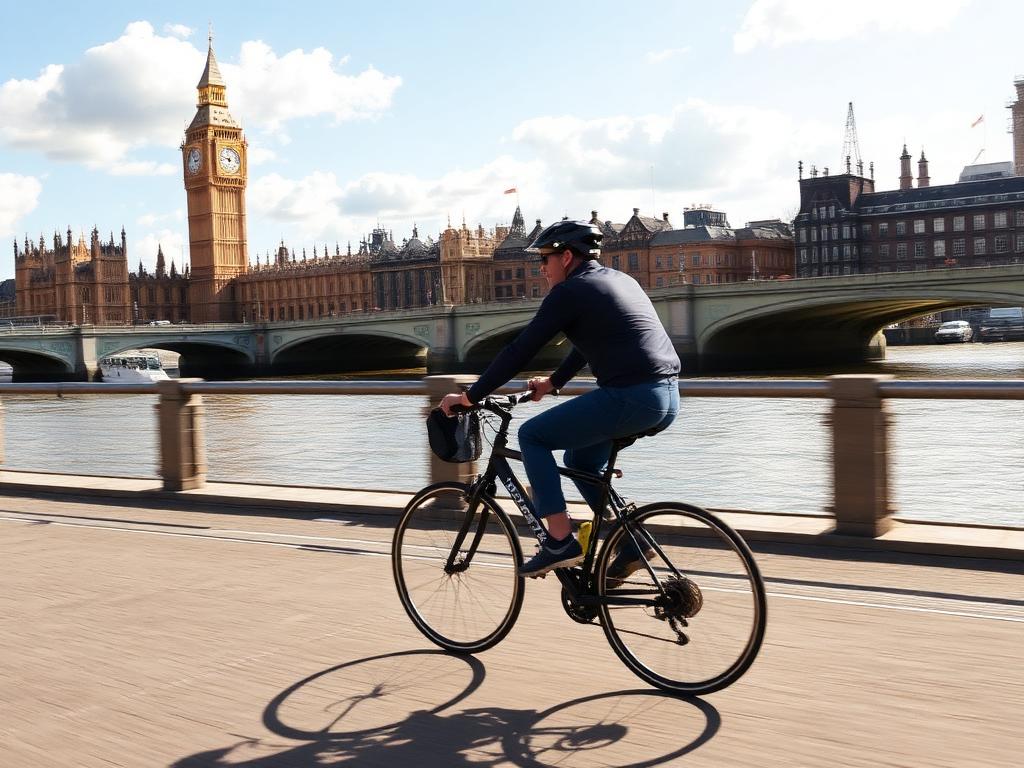
London Thames Path Cycling: Historic Waterfront Urban Adventure
Cycle along the iconic Thames River through centuries of London history.
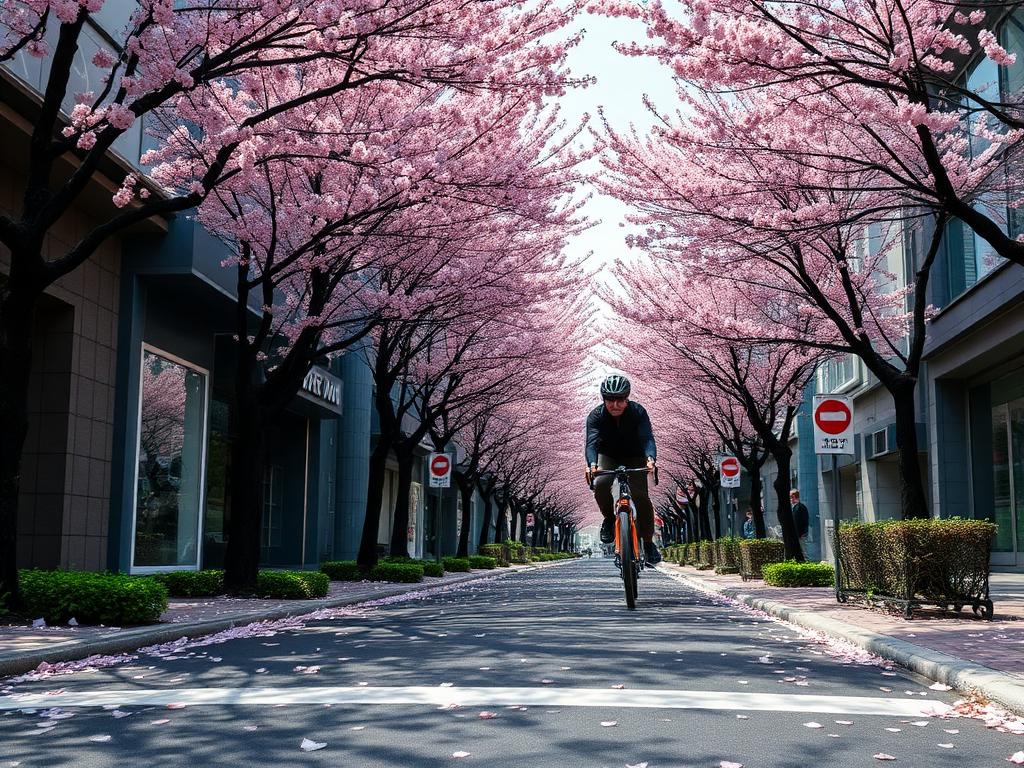
Tokyo Urban Cycling: Cherry Blossom Routes and Beyond
Experience Tokyo's hidden cycling gems through sakura-lined streets and urban waterways.
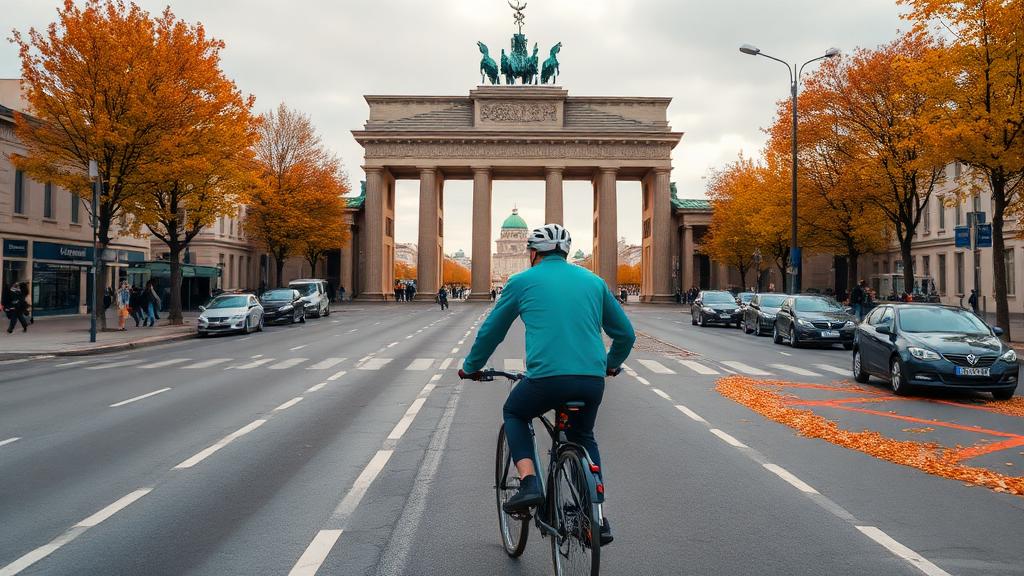
Berlin Cycling: Pedaling Through History and Urban Renewal
Explore Germany's capital by bike through Cold War history and modern transformation.
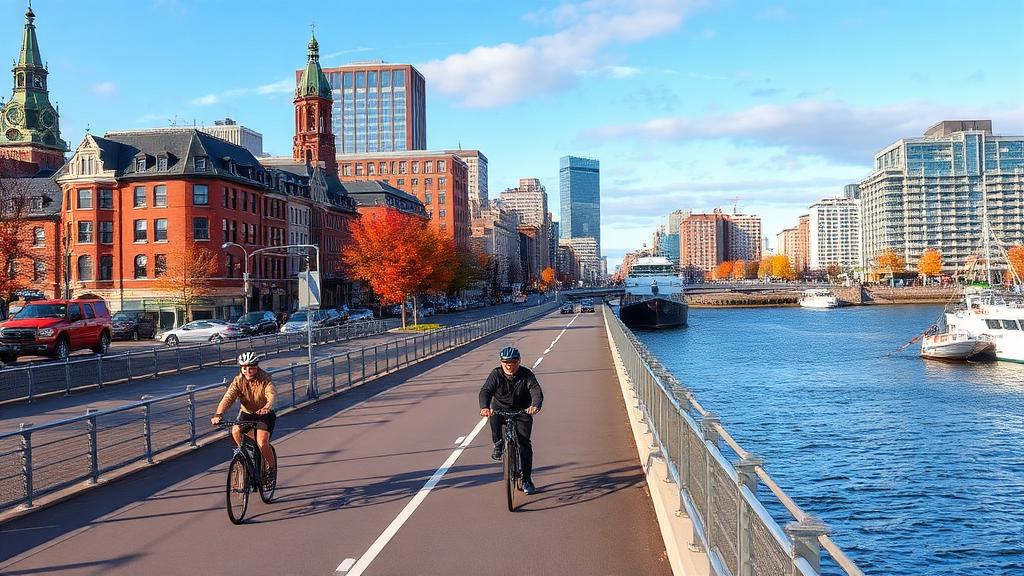
Montreal Cycling: Four Seasons of Urban Biking Adventure
Discover North America's most European cycling city through dedicated paths and vibrant neighborhoods.
Urban Cycling Safety Tips
- •Always wear a properly fitted helmet
- •Use front and rear lights, especially in low-light conditions
- •Follow traffic rules and use hand signals for turns
- •Stay in designated bike lanes when available
- •Make eye contact with drivers at intersections