Introduction to Tokyo Cycling
Tokyo might seem like an unlikely cycling destination given its reputation for packed trains and busy streets, but the city hides an extensive network of riverside paths, quiet neighborhood streets, and dedicated cycling routes that make it surprisingly bikeable. During cherry blossom season, these routes transform into some of the most magical urban cycling experiences anywhere on Earth.
The Sakura Cycling Experience
Why Cherry Blossom Season is Special
For approximately two weeks each spring, usually late March to early April, Tokyo explodes in pink and white blossoms. The Japanese practice of hanami (flower viewing) creates a festive atmosphere throughout the city. Cycling during sakura season allows you to cover more ground and experience more blooms than any other method.
Timing Your Visit
Cherry blossom timing varies yearly depending on weather conditions. The Japan Meteorological Corporation provides sakura forecasts (sakura zensen) that help predict peak bloom. Arriving during full bloom (mankai) offers the most spectacular displays, while the week following peak bloom features beautiful falling petals (sakura fubuki).
Essential Sakura Cycling Routes
Meguro River Route (8 km)
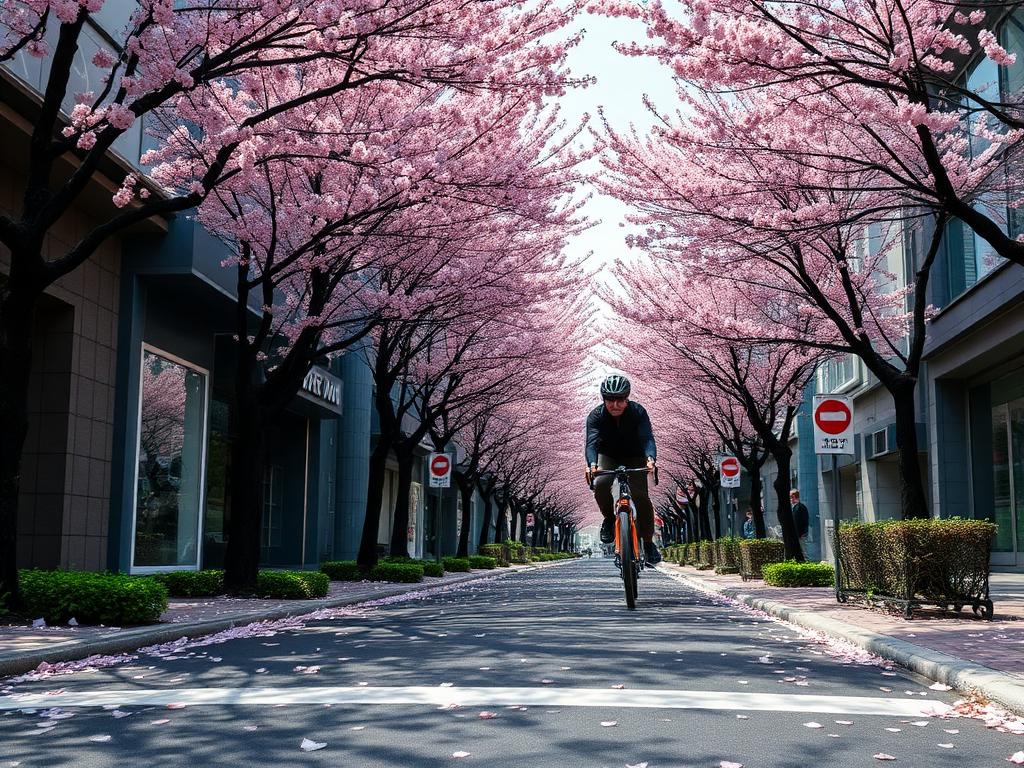
Perhaps Tokyo's most famous cherry blossom spot, the Meguro River is lined with 800 trees that create a breathtaking pink tunnel. Start early morning to beat crowds, cycling along the narrow paths from Nakameguro to Gotanda. Evening rides during the illuminated period offer magical night views.
Sumida River Path (15 km)
This riverside route passes historic Asakusa with its ancient temple, crosses under the famous Sumida Park cherry trees, and continues toward Tokyo Skytree. The combination of traditional Tokyo and modern landmarks makes this route particularly photogenic.
Shinjuku Gyoen to Ueno Park (10 km)
Connect two of Tokyo's most beloved sakura parks via quiet neighborhood streets. This route traverses the heart of Tokyo, passing the Imperial Palace outer gardens en route. Pack a picnic for hanami stops at either park.
Tama River Route (20 km)
For those seeking to escape central Tokyo crowds, the Tama River path offers extensive cherry tree coverage with significantly fewer people. The route stretches from Futakotamagawa toward the suburban foothills, offering mountain views on clear days.
Beyond Cherry Blossoms: Year-Round Routes
Edogawa River Path
This extensive riverside path stretches 60 kilometers and offers some of Tokyo's most scenic car-free cycling. Spring brings cherry blossoms, summer offers cooling river breezes, autumn displays spectacular color, and winter provides clear views toward Mount Fuji.
Palace Cycling Sunday
Every Sunday morning, the roads around the Imperial Palace close to cars, creating a 5-kilometer loop popular with cyclists of all abilities. The flat, smooth pavement and iconic backdrop make this perfect for leisurely riding.
Arakawa River Greenway
The longest dedicated cycling path in Tokyo, the Arakawa route runs 60 kilometers from central Tokyo to Saitama Prefecture. Wide, well-maintained paths make this ideal for longer training rides or exploring Tokyo's less-touristed northern neighborhoods.
Practical Information
Bike Rental Options
Docomo Bike Share operates red electric-assist bicycles available throughout Tokyo via smartphone app. For traditional bikes, rental shops near major stations offer hourly and daily rates. Many hotels in cycling-friendly areas provide guest bicycles.
Electric Assist Benefits
Tokyo's terrain includes subtle but significant hills. Electric-assist bikes (denki jitensya) make cycling accessible to all fitness levels and allow you to cover more ground with less fatigue. Most rental systems offer electric options.
Navigation Challenges
Tokyo's addressing system differs from Western conventions, making navigation challenging. Download offline maps or use GPS apps designed for cycling. Major cycling paths are generally well-signed in Japanese and English.
Cycling Etiquette in Japan
Sidewalk Rules
Unlike many countries, cycling on sidewalks is often permitted in Japan, though pedestrians have priority. However, dedicated cycling paths and roads are preferred when available. Dismount in crowded areas.
Parking Your Bike
Illegal parking (hōchi jitensha) is taken seriously in Tokyo. Use designated bike parking areas, often located near train stations. Your bike may be impounded if left in restricted zones.
Left-Side Riding
Japan drives on the left, and cyclists should follow vehicle traffic patterns. Stay left, signal turns, and use dedicated cycling lanes where available.
Safety Considerations
Traffic Awareness
Japanese drivers are generally respectful of cyclists, but busy intersections require attention. Many accidents involve cyclists and left-turning vehicles. Stay visible and make eye contact with drivers.
Weather Preparation
Spring weather is pleasant but variable. Light rain gear protects against sudden showers. Summer brings heat and humidity requiring sun protection and hydration. Autumn is ideal, while winter demands warm layers.
Night Riding
Japanese law requires front and rear lights for night cycling. Many rental bikes include lights, but confirm before evening rides. The illuminated cherry blossoms along the Meguro River make nighttime spring cycling particularly special.
Cultural Experiences Along the Way
Temple and Shrine Visits
Tokyo's cycling routes pass numerous religious sites. Sensoji Temple in Asakusa, Meiji Shrine in Harajuku, and countless neighborhood shrines offer peaceful rest stops and cultural immersion.
Local Cuisine Stops
Plan your route around food discoveries. Tokyo's neighborhoods each have culinary specialties: ramen in Ebisu, traditional sweets in Asakusa, yakitori in Yurakucho. Convenience stores (konbini) offer excellent snacks and hydration options.
Hot Spring Recovery
After a long ride, consider visiting an onsen or sento (public bath). Many neighborhoods have traditional bathhouses perfect for muscle recovery and cultural experience.
Combining Cycling with Transit
Folding Bike Advantages
Folding bikes can be carried on all Tokyo transit, allowing flexible combinations of cycling and train travel. This opens possibilities for one-way routes ending far from your starting point.
Regular Bike Restrictions
Non-folding bikes are generally not allowed on trains, though some lines permit them during off-peak hours if bagged. Check specific line regulations before planning combined journeys.
Photography Tips
Golden Hour Magic
Tokyo's mix of modern and traditional architecture looks best during golden hour. Plan routes to reach key landmarks during optimal light conditions.
Sakura Photography
Capture cherry blossoms against varied backdrops: modern skyscrapers, traditional temples, reflecting in water. Early morning offers soft light and fewer people in your frames.
Conclusion
Tokyo cycling offers unique perspectives on one of the world's most fascinating cities. Whether chasing cherry blossoms in spring or exploring year-round routes along rivers and through neighborhoods, two wheels reveal a Tokyo that rush-hour trains cannot. The city's hidden cycling infrastructure, combined with Japanese hospitality and the magic of sakura season, creates urban cycling experiences found nowhere else on Earth.