Introduction to Urban Cycling
City cycling offers one of the most engaging ways to explore urban environments. You cover more ground than walking while maintaining intimate connection with surroundings. This guide covers everything beginners need to know.
Benefits of City Cycling
Physical and Mental Health
Regular cycling improves cardiovascular health, builds muscle strength, and boosts mental wellbeing.
Practical Advantages
Bikes often navigate city streets faster than cars during peak hours. Parking is simpler and cheaper. Zero-emission transportation aligns with sustainable values.
Exploration Freedom
Bikes allow spontaneous route changes and easy stops. Discover neighborhoods you'd never see from a car.
Getting Started
Bike Options
Bike share programs provide excellent entry points. Daily rentals suit visitors. Personal ownership provides the best fit for regular riders.
Essential Gear
Helmet (absolutely essential), front and rear lights, bell or horn, high-visibility clothing for low-light conditions.
Understanding Infrastructure
Bike Lanes
Dedicated bike lanes provide the safest cycling experience. Learn your city's bike lane network.
Shared Streets
Many cities designate certain streets as shared spaces where cyclists have priority.
Multi-Use Paths
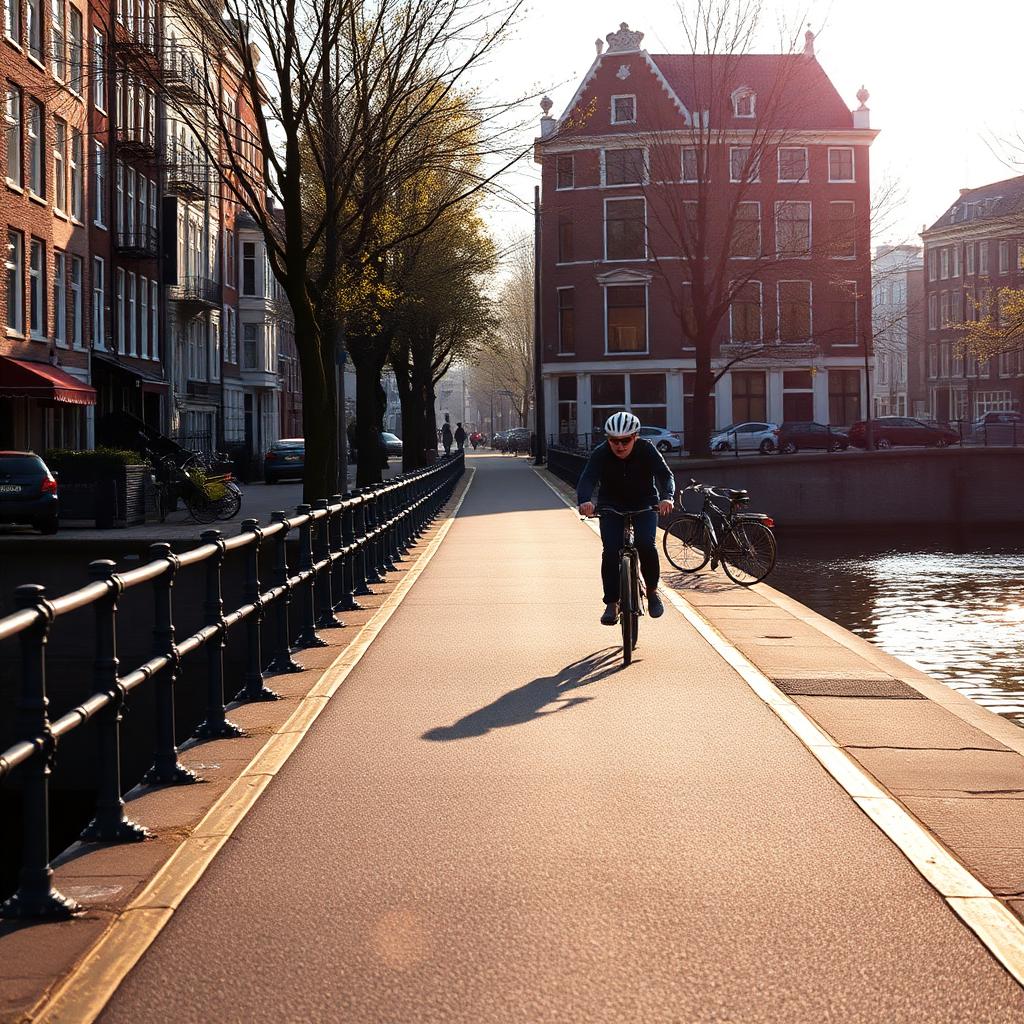
Urban trails and greenways offer car-free cycling. These often connect neighborhoods and provide scenic routes.
Basic Safety Rules
Riding with Traffic
Always ride in the same direction as traffic flow. Position yourself predictably in the lane.
Intersection Navigation
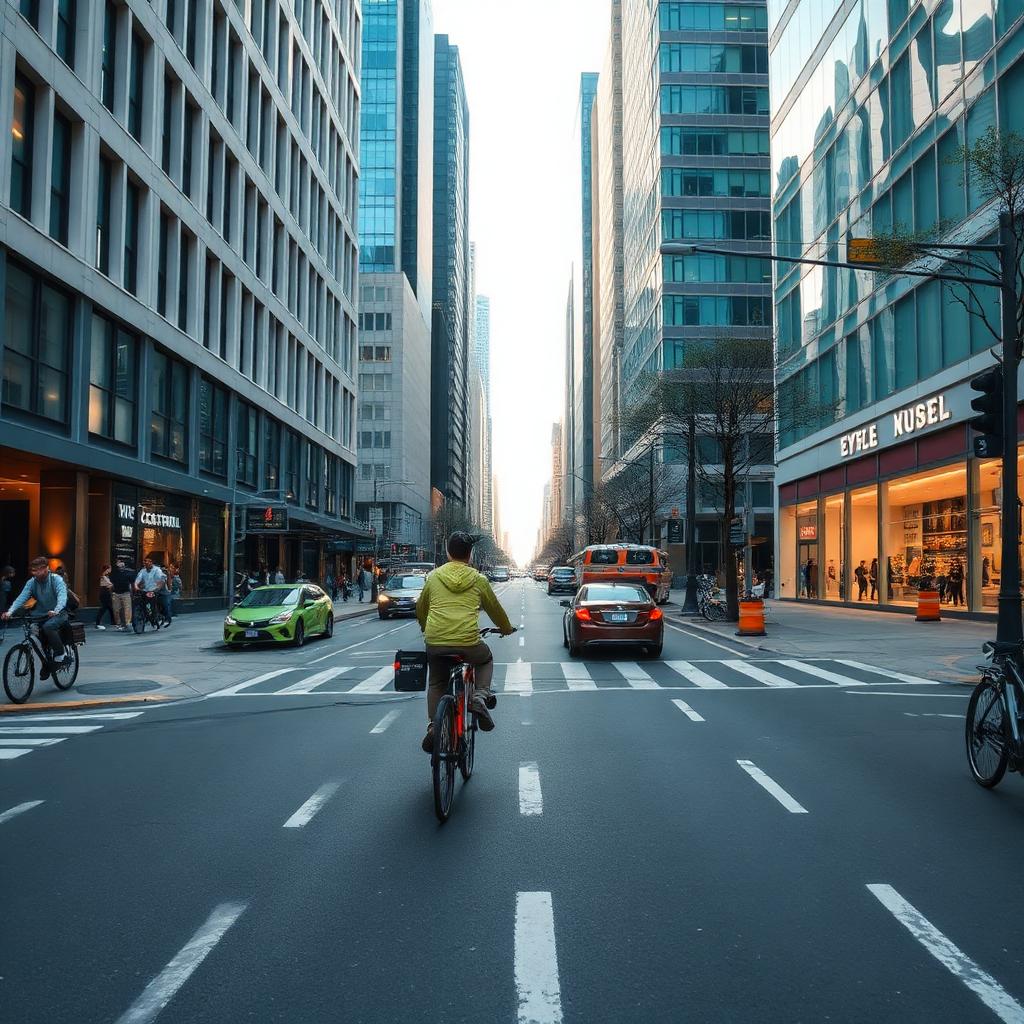
Intersections present the highest accident risk. Approach cautiously, make eye contact with drivers, and signal turns clearly.
Defensive Riding
Assume drivers may not see you. Anticipate potential hazards: opening car doors, pedestrians stepping into lanes.
Planning Your First Ride
Route Selection
Start with familiar areas and low-traffic times. Sunday mornings often offer the easiest conditions.
Distance
First-time urban cyclists should limit initial rides to 5-10 miles. Build endurance gradually.
Etiquette and Best Practices
Pedestrian Relations
Slow down around pedestrians. Ring bells in advance. Pass with care and consideration.
Respecting Other Cyclists
Follow passing etiquette: announce yourself, pass on the left, leave adequate space.
Building Confidence
Practice
Empty parking lots and quiet streets allow skill development. Practice starting, stopping, and signaling.
Gradual Progression
Expand riding zones gradually as confidence grows.
Join Group Rides
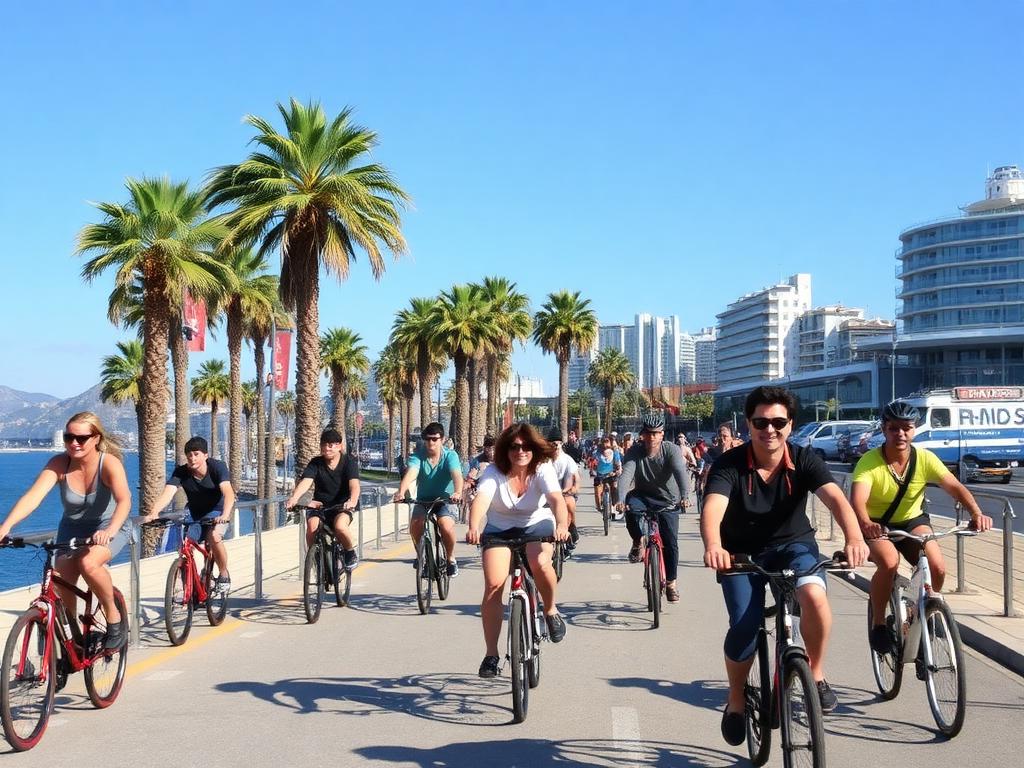
Many cities offer beginner-friendly group rides that accelerate learning.
Conclusion
Urban cycling opens cities in ways other transportation cannot match. Start small, build skills gradually, and join the growing community of city cyclists.