Introduction to Rooftop Camping
Rooftop camping offers the thrill of outdoor sleeping with urban convenience and often spectacular city views. This comprehensive guide covers everything you need to create a safe, comfortable, and magical rooftop camping experience.
Safety First: Essential Considerations
Structural Assessment
Before any rooftop camping setup, ensure the roof is designed for foot traffic and can support your planned equipment and occupants. Consult building management if uncertain.
Fall Protection
Position sleeping areas away from edges, ideally at least six feet from any drop-off. Never camp on roofs without adequate railings or barriers.
Weather Awareness
Urban rooftops are more exposed than ground-level sites. Monitor weather forecasts carefully and have exit plans for severe weather.
Building Regulations
Verify that rooftop access and overnight use are permitted. Obtain necessary permissions from property management.
Essential Equipment
Shelter Options
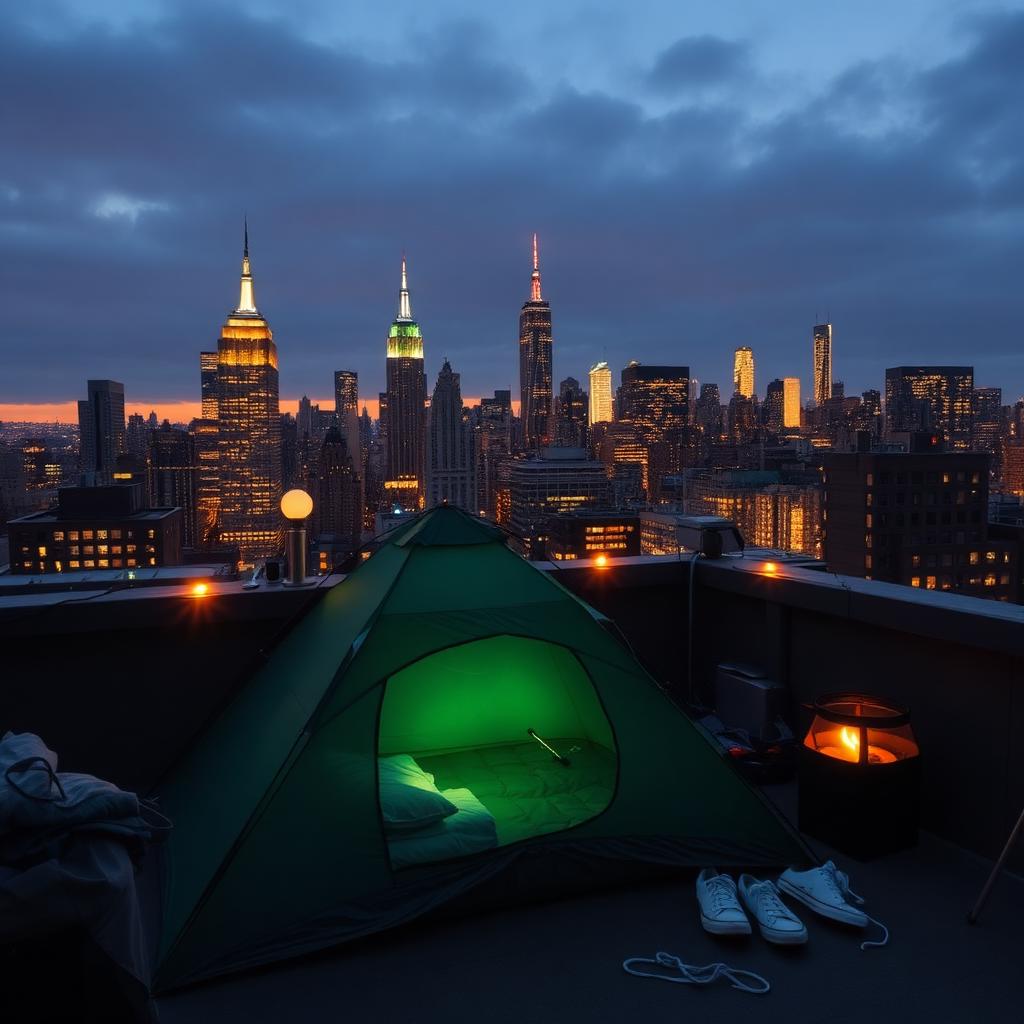
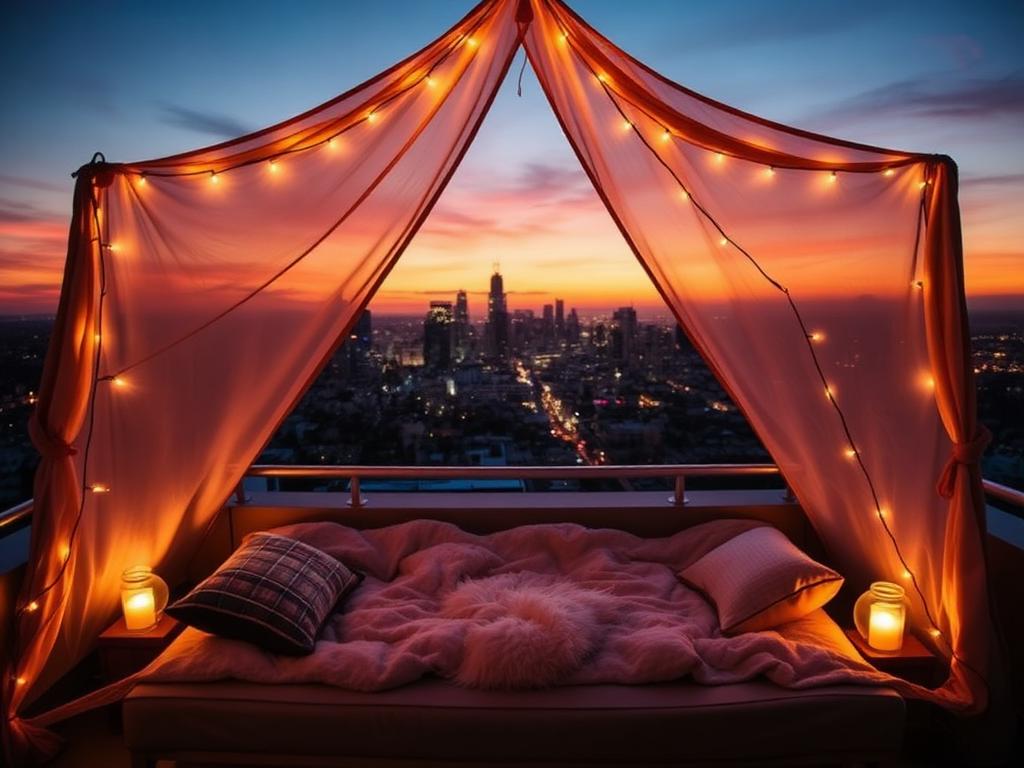
Pop-up or lightweight backpacking tents provide weather protection. Choose freestanding designs that don't require stakes. Canopy structures provide rain and sun protection while maintaining open-air ambiance.
Sleep Systems
Closed-cell foam or inflatable pads provide essential insulation from hard, cold rooftop surfaces. Choose sleeping bag temperature ratings appropriate for expected conditions plus a safety margin.
Comfort Additions
Camping pillows, string lights for ambiance, folding chairs, rugs or outdoor carpets, and portable tables enhance the experience.
Creating Atmosphere
Lighting
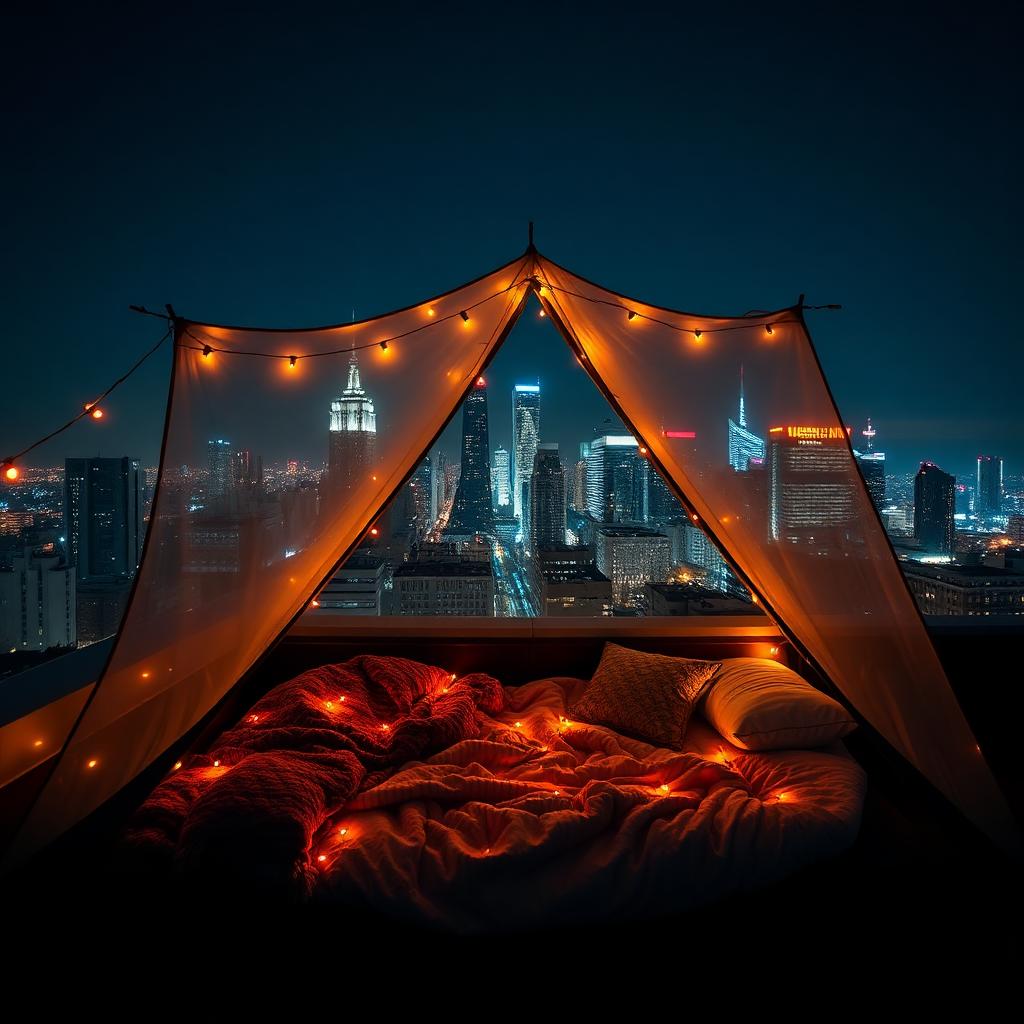
String lights create magical rooftop ambiance. Solar-powered or battery-operated options avoid electrical concerns. Avoid harsh flashlights that disturb the experience.
Sound Management
Urban soundscapes are part of rooftop camping's character. White noise machines can mask disruptive sounds. Earplugs help light sleepers.
Menu Planning
No-Cook Options
Many rooftop situations restrict open flames. Plan around no-cook options: charcuterie boards, prepared salads, sandwiches, fruits, and desserts.
Cold Breakfast Ideas
Overnight oats, yogurt parfaits, pastries, and cold brew coffee provide satisfying breakfasts without cooking equipment.
Sample Schedule
- Late Afternoon: Transport equipment, set up tent, arrange lighting
- Early Evening: Enjoy sunset views, prepare dinner
- Night: Stargazing, evening beverages, retire to sleeping quarters
- Morning: Wake with sunrise, breakfast with morning views, pack down
Weather Contingencies
Wind Protocol
Secure or remove loose items when wind picks up. Low-profile setups handle wind better than tall tents.
Rain Preparedness
Waterproof groundsheets protect equipment. Know when to retreat indoors for safety.
Conclusion
Rooftop camping combines outdoor adventure with urban comfort. With proper safety awareness, appropriate equipment, and attention to atmosphere, rooftop camping creates memorable experiences unlike any other.