Introduction to Hanami
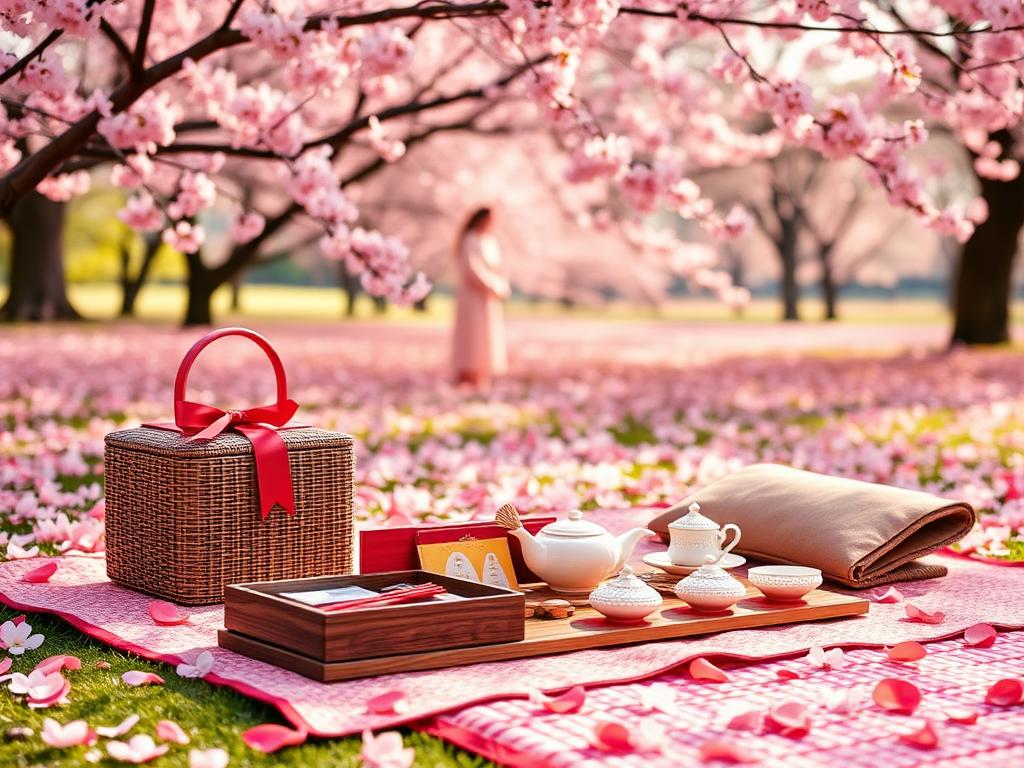
Hanami, the Japanese tradition of enjoying cherry blossoms, transforms picnicking into an art form. Each spring, millions gather beneath blooming sakura trees for food, drinks, and appreciation of nature's fleeting beauty. This guide helps you experience authentic hanami culture in Tokyo.
Understanding Hanami Culture
Historical Roots
Hanami dates back over a thousand years to Japan's Heian period when aristocrats would compose poetry beneath flowering trees. Today, the tradition has evolved into gatherings that range from intimate family outings to lively corporate parties.
The Philosophy
Hanami embodies the Japanese concept of mono no aware – appreciation of impermanence. Cherry blossoms bloom briefly and fall quickly, reminding us to appreciate beauty in the moment.
Best Tokyo Hanami Locations
Ueno Park
Tokyo's most famous hanami destination hosts over 1,000 cherry trees and hundreds of thousands of visitors during peak bloom. The atmosphere ranges from peaceful morning contemplation to festive evening gatherings.
Shinjuku Gyoen
This 144-acre garden offers more refined hanami experiences with over 1,000 trees of 65 different varieties. The staggered blooming extends the viewing season.
Yoyogi Park
Popular with younger crowds, Yoyogi's expansive lawns accommodate large groups and offer a more relaxed, casual atmosphere than traditional gardens.
Meguro River
The riverside promenade lined with over 800 cherry trees creates magical walking and picnicking conditions. Evening illuminations transform the experience after dark.
Planning Your Hanami Picnic
Timing Is Everything
Cherry blossoms typically bloom late March to early April, but exact timing varies yearly. The Japan Meteorological Corporation issues sakura forecasts. Peak viewing (mankai) lasts only about one week, so plan carefully.
Claiming Your Spot
Prime locations are claimed early, sometimes days in advance with blue tarps (used for picnic ground cloths). For popular parks, arrive by 7-8 AM on weekends, or send someone ahead for group gatherings.
What to Bring
Blue tarp or picnic blanket, cushions for comfort, layers for temperature changes (spring evenings are cool), garbage bags for cleanup, hand sanitizer, and of course, cameras.
Traditional Hanami Foods
Bento Boxes
Prepare or purchase elaborately arranged bento featuring seasonal items like sakura-shaped vegetables, pink-tinted foods, and traditional favorites.
Sakura-Themed Treats
Convenience stores and department stores offer seasonal sakura mochi, sakura-flavored Kit-Kats, cherry blossom cookies, and other limited-edition treats.
Drinks
Sake, beer, and non-alcoholic options are all appropriate. Sakura-flavored beverages appear during the season.
Hanami Etiquette
Respecting Space
Keep within your claimed area. Avoid loud behavior that disturbs neighbors. Late-night parties in residential areas are inappropriate.
Protecting Trees
Never break branches, shake trees, or climb them. Fallen petals are beautiful; forced falls are destructive.
Cleanup
Leave no trace. Pack out all garbage. Many parks provide designated collection areas.
Capturing the Experience
Photography Tips
Early morning and golden hour provide the best lighting. Include people for scale and emotional connection. Focus on individual blossoms and overall canopy.
Night Photography
Evening illuminations (yozakura) create dramatic photography opportunities. Tripods help with low-light conditions.
Extended Experiences
Consider combining hanami with visits to nearby temples and shrines, many of which have their own cherry trees. Some locations offer boat rentals for unique perspectives on waterside trees.
Conclusion
Hanami represents one of Japan's most beautiful cultural traditions, connecting people with nature's transient beauty through the simple act of picnicking beneath cherry blossoms. Whether you're seeking quiet contemplation or festive celebration, Tokyo's sakura season offers unforgettable experiences for those who plan thoughtfully and participate respectfully.