Introduction to Copenhagen Cycling
Copenhagen consistently ranks as the world's most bicycle-friendly city, where more than 60% of residents commute by bike daily. This guide explores what makes Copenhagen's cycling culture unique and how visitors can experience it firsthand.
Understanding Copenhagen's Cycling Success
Infrastructure Investment
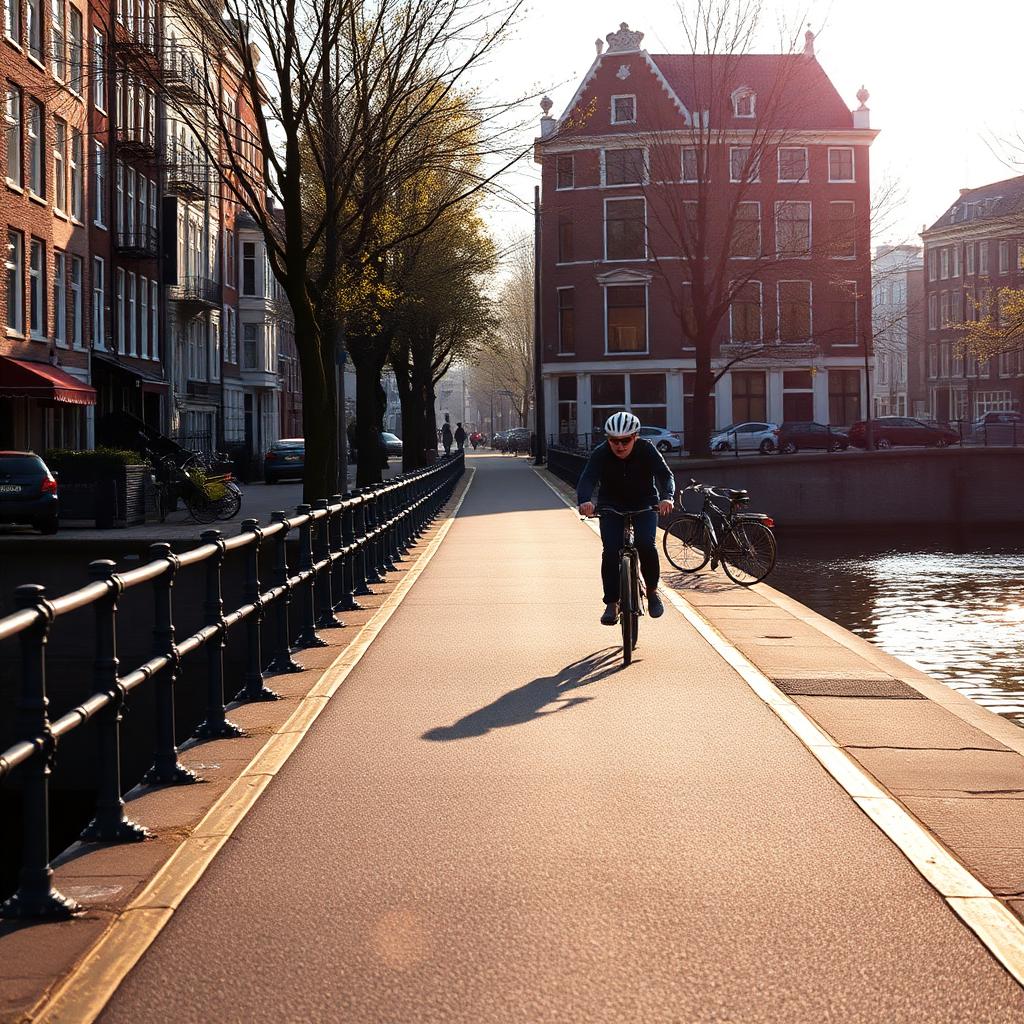
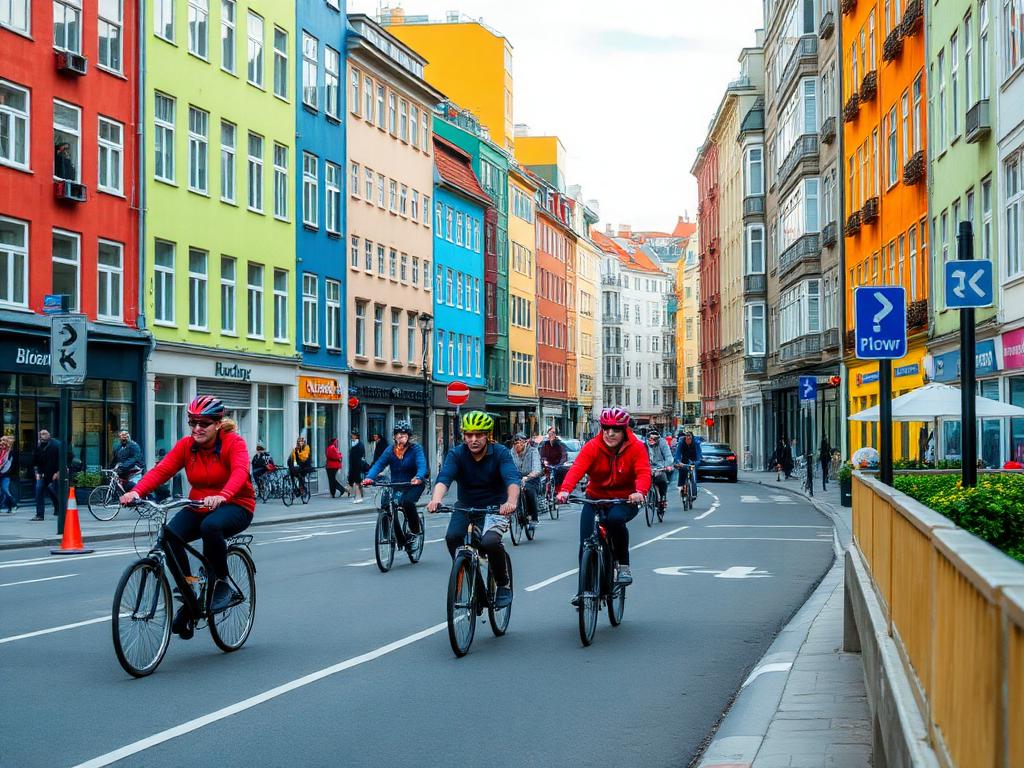
Copenhagen has invested continuously in cycling infrastructure for decades. Wide, protected bike lanes, dedicated traffic signals for cyclists, and ingenious design details create a seamless cycling experience.
Cultural Normalization
In Copenhagen, cycling isn't alternative transportation – it's the default. Politicians, businesspeople, and celebrities cycle daily. This cultural embedding makes cycling feel completely natural.
All-Weather Commitment
Despite cold winters and frequent rain, Copenhageners cycle year-round. Infrastructure maintenance, including snow removal from bike paths, supports this commitment.
Distinctive Copenhagen Features
The Bicycle Snake
This elevated cycling bridge winds through the harbor, providing car-free connections and iconic photo opportunities. It exemplifies Copenhagen's investment in cycling aesthetics and function.
Green Waves
Traffic lights on major cycling routes are timed to create "green waves" for cyclists traveling at typical speeds, minimizing stops during commutes.
Bicycle Counters
Electronic displays throughout the city count cyclists, celebrating and visualizing the cycling community's size.
Cargo Bike Culture
Copenhagen pioneered the cargo bike revival. Families transport children, groceries, and goods in distinctively designed cargo bikes that are now exported worldwide.
Best Copenhagen Cycling Experiences
Harbor Circuit
Circle Copenhagen's redeveloped harbor areas, passing cutting-edge architecture, historic sites, and waterfront cafes. The route is flat and completely protected.
Nyhavn to Frederiksberg
Connect the famous colorful harbor to the elegant Frederiksberg neighborhood, passing through the city center and royal gardens.
Bridges and Islands
Copenhagen's island geography creates natural cycling routes across dramatic bridges with water views in all directions.
Extended Trails
For longer rides, Copenhagen's cycling infrastructure extends to suburbs and beyond. Beach routes north, forest trails west, and the famous Copenhagen-Berlin route for the ambitious.
Renting Bikes in Copenhagen
Options
The city bike share system uses GPS-enabled electric bikes accessible via app. Traditional bike rentals suit those preferring simplicity. Many hotels offer guest bikes.
What's Different
Copenhagen bikes typically feature back-pedal brakes rather than hand brakes. Practice before entering traffic. Gear systems and lights are usually included.
Danish Cycling Etiquette
Signaling
Hand signals are expected and respected. Indicate turns clearly and in advance. Acknowledge thanks from other cyclists.
Pace and Position
Stay right except when passing. Maintain steady pace predictable to those around you. Don't stop suddenly in traffic.
Bike Lane Rules
Bike lanes are for bikes only – pedestrians should not walk in them. Cyclists should not ride on sidewalks.
Practical Information
Weather Preparation
Rain gear is essential in Copenhagen. Waterproof bags protect belongings. Dress in layers for changeable conditions.
Security
While Copenhagen is safe, bike theft occurs. Lock properly whenever parked. Use designated bike parking at attractions.
Navigation
Copenhagen's logical grid and clear signage make navigation intuitive. Cycling apps provide route optimization.
Learning from Copenhagen
Lessons for Other Cities
Copenhagen demonstrates that cycling culture develops through sustained political commitment, infrastructure investment, and cultural change. The results – cleaner air, healthier citizens, less traffic – speak for themselves.
Personal Takeaways
Visiting cyclists often return home with new perspectives on urban transportation possibilities and personal vehicle choices.
Conclusion
Copenhagen cycling represents the gold standard for urban bicycle culture. Experiencing it firsthand reveals what cities worldwide could become with similar commitment. Whether cycling for an hour or an entire stay, Copenhagen's bike-friendly streets offer transformative urban experiences.