Introduction to Thames Path Cycling
The Thames Path National Trail stretches 184 miles from its source in the Cotswolds to the Thames Barrier in London, but the urban sections through London offer some of the most historically rich and visually stunning cycling anywhere in the world. This comprehensive guide covers everything you need to know about cycling London's iconic waterfront.
Historical Significance
The Thames has been London's lifeblood for over two millennia. Roman Londinium was established on its banks, and the river has witnessed countless moments that shaped world history. Cycling along its path is like riding through a living museum, with landmarks spanning from medieval towers to ultra-modern architecture.
From Working River to Recreation Corridor
For centuries, the Thames was primarily a commercial waterway, bustling with ships and trade. The decline of London's docklands in the mid-20th century created an opportunity for transformation. Today's Thames Path represents one of the world's most successful urban waterfront regeneration projects.
Route Options and Planning
Central London Loop (10 miles)
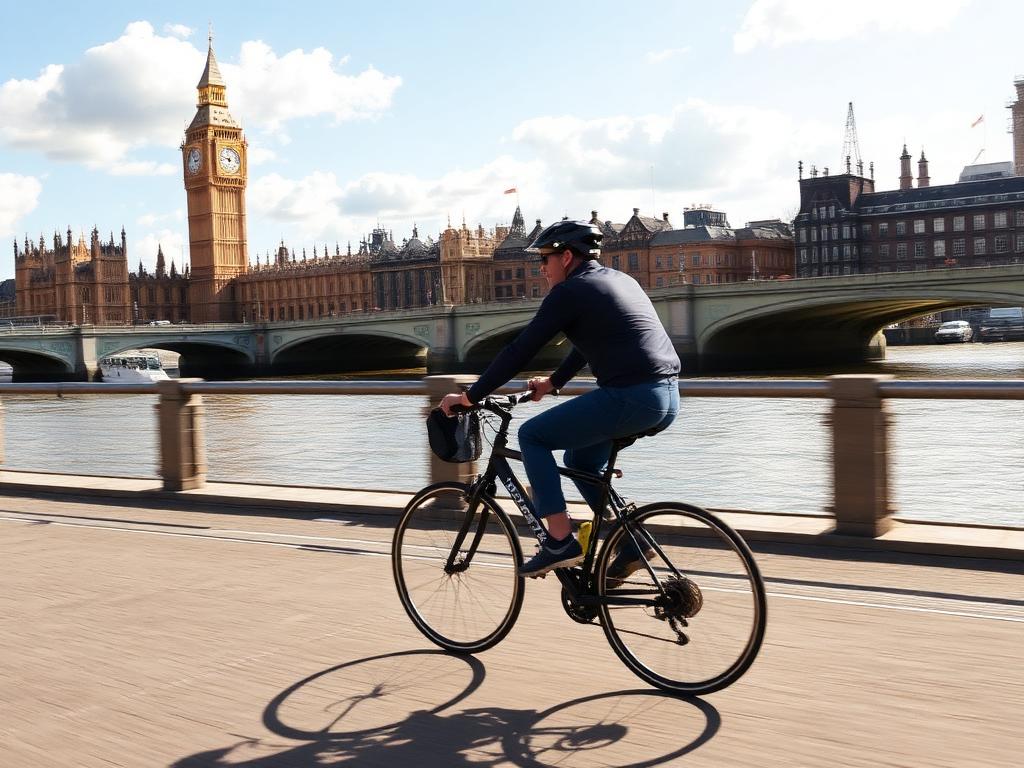
Start at Westminster Bridge for classic views of Big Ben and Parliament. Cross to the South Bank and cycle past the London Eye, Tate Modern, and Shakespeare's Globe. Continue to Tower Bridge, then return via the north bank past the Tower of London and St. Paul's Cathedral.
East London Docklands Route (15 miles)
Explore the transformed Docklands, cycling from Tower Bridge through Canary Wharf's gleaming towers to the Thames Barrier. This route showcases London's evolution from maritime hub to global financial center.
West London Greenway (12 miles)
Pedal from Hammersmith through Barnes and Richmond, passing elegant Georgian townhouses and riverside pubs. This route offers a gentler, more suburban Thames experience with excellent birdwatching opportunities.
What to Expect Along the Route
Iconic Landmarks
Every turn reveals another famous sight. Westminster Palace, the London Eye, St. Paul's Cathedral, the Shard, Tower Bridge, and the Millennium Bridge are just a few highlights visible from the path.
Hidden Gems
Beyond the famous landmarks, discover lesser-known treasures: the stunning Painted Hall at the Old Royal Naval College, the peaceful Fulham Palace gardens, and the historic Anchor Bankside pub where Shakespeare once drank.
Wildlife Encounters
The Thames supports remarkable urban biodiversity. Grey seals occasionally venture into central London, while cormorants, herons, and even the occasional kingfisher can be spotted. The river's health has improved dramatically, with salmon now returning after centuries of absence.
Practical Cycling Information
Bike Hire Options
Santander Cycles (Boris Bikes) offer convenient docking stations throughout central London. For longer rides, consider renting from dedicated cycle hire shops that offer higher-quality machines. Electric bike rentals are increasingly available for those wanting extra assistance.
Path Conditions
The Thames Path quality varies. Some sections are purpose-built cycle paths with smooth asphalt. Others share space with pedestrians on narrower towpaths. A hybrid or touring bike handles the varied surfaces better than a pure road bike.
Navigation Tips
While the river itself provides natural guidance, some sections require brief diversions from the waterfront. Download offline maps or carry a physical guide, as mobile coverage can be patchy in some areas.
Safety Considerations
Traffic Integration
Some sections require cycling on regular roads. Central London traffic demands confidence and awareness. Less experienced cyclists should stick to segregated sections or consider guided tours.
Pedestrian Awareness
The Thames Path is multi-use, and pedestrian priority applies in many sections. Maintain moderate speeds, use your bell politely, and be prepared to dismount in crowded areas.
Weather Preparation
London weather is famously unpredictable. Carry waterproof layers even on sunny days. Wind can be significant along open river sections, especially near the Thames Barrier.
Best Times to Cycle
Seasonal Considerations
Spring and autumn offer the most comfortable temperatures with beautiful light for photography. Summer brings longer days but larger crowds. Winter cycling rewards with atmospheric misty views and uncrowded paths.
Time of Day
Early mornings provide the quietest experience, with dawn light creating magical effects on the water. Sunset rides offer spectacular lighting on the west-facing buildings. Avoid rush hours when commuter cyclists fill the paths.
Cultural Stops and Refreshments
World-Class Museums
The route passes some of London's best museums, all free to enter: Tate Modern, the Imperial War Museum, the Museum of London Docklands, and the National Maritime Museum in Greenwich.
Riverside Pubs and Cafes
Historic pubs punctuate the route: The Prospect of Whitby (London's oldest riverside pub), The Dove in Hammersmith, and The Cutty Sark in Greenwich all offer character-filled refreshment stops.
Street Food and Markets
Borough Market near London Bridge offers gourmet food options. Greenwich Market provides artisan goods and international cuisine. Maltby Street Market in Bermondsey features some of London's best street food.
Multi-Day Cycling Adventures
Thames Path Through London
Consider spreading your exploration over multiple days, allowing time for museum visits, pub stops, and unhurried photography. Many boutique hotels and hostels cater to cycling guests with secure bike storage.
Beyond London
The Thames Path extends far beyond the capital. Adventurous cyclists can continue upstream to Oxford or downstream to the sea, though these sections require more planning and equipment.
Environmental Awareness
River Conservation
The Thames's ecological recovery represents one of the world's great environmental success stories. Respect the environment by sticking to designated paths and properly disposing of any waste.
Sustainable Transportation
Your cycling choice contributes to London's sustainability goals. Consider combining your ride with public transit – bikes are allowed on the Overground, DLR, and many rail services outside peak hours.
Conclusion
Cycling the Thames Path through London offers a uniquely immersive way to experience one of the world's great cities. From medieval fortresses to cutting-edge architecture, from peaceful parklands to vibrant cultural quarters, the river reveals London's many faces. Whether you're a visitor discovering the city or a Londoner seeking fresh perspectives on familiar terrain, the Thames Path delivers unforgettable urban cycling adventures.