Hong Kong Urban Rooftop Camping: Sleeping Above the Neon Jungle
Hong Kong presents one of the world's most dramatic contrasts between natural beauty and urban intensity, and nowhere is this more apparent than from its rooftops. This guide explores the emerging practice of rooftop camping in Asia's most vertical city, where sleeping under the stars means something entirely different than anywhere else on Earth.
The Rooftop Landscape
Hong Kong's famous density has created a unique rooftop culture that few visitors ever discover. Above the neon-lit streets and crowded markets, another city exists—a world of makeshift gardens, illegal structures, and improvised living spaces that have evolved over decades of creative adaptation to limited ground-level space.
While much of this rooftop world remains informal and technically unauthorized, a growing number of legal and semi-legal camping experiences have emerged, offering adventurous visitors the chance to experience Hong Kong from perspectives previously reserved for residents of the city's upper reaches.
Legal Rooftop Experiences
Heritage Rooftop Hotels
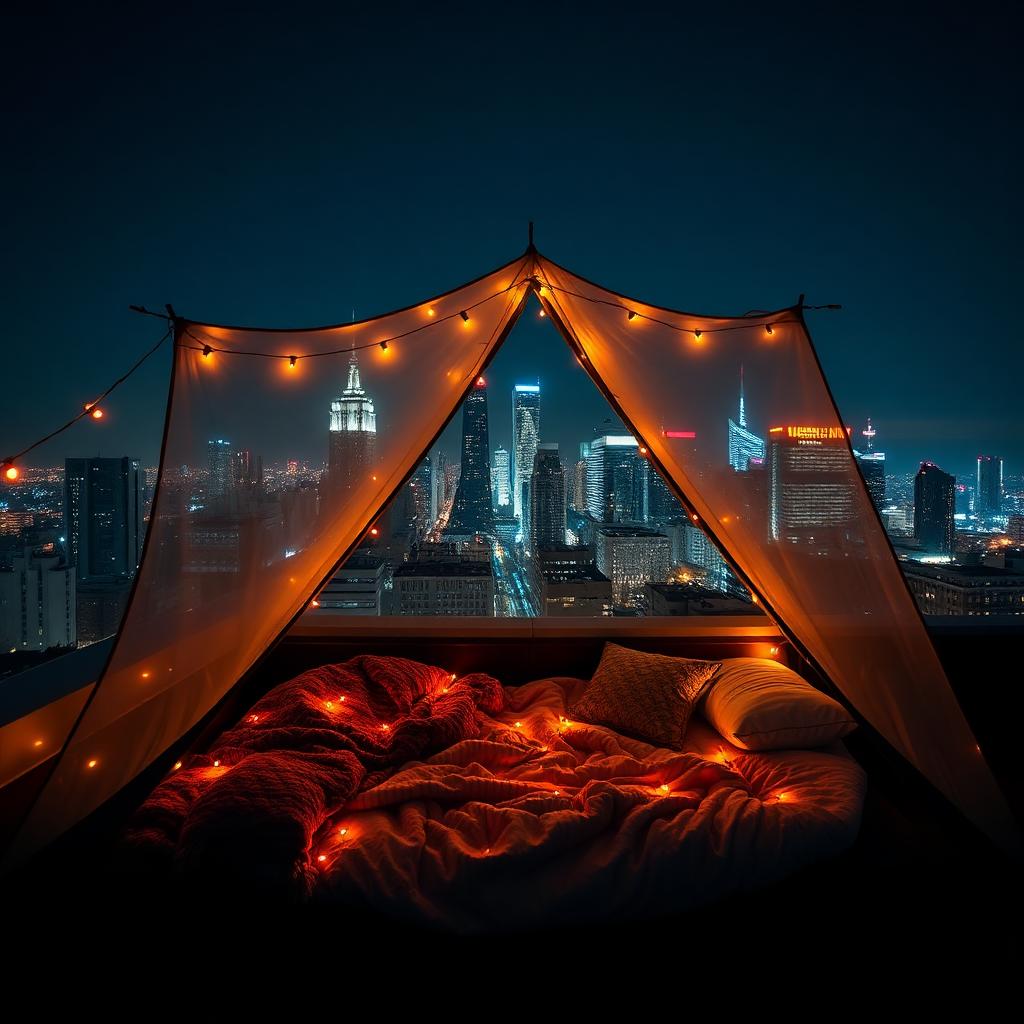
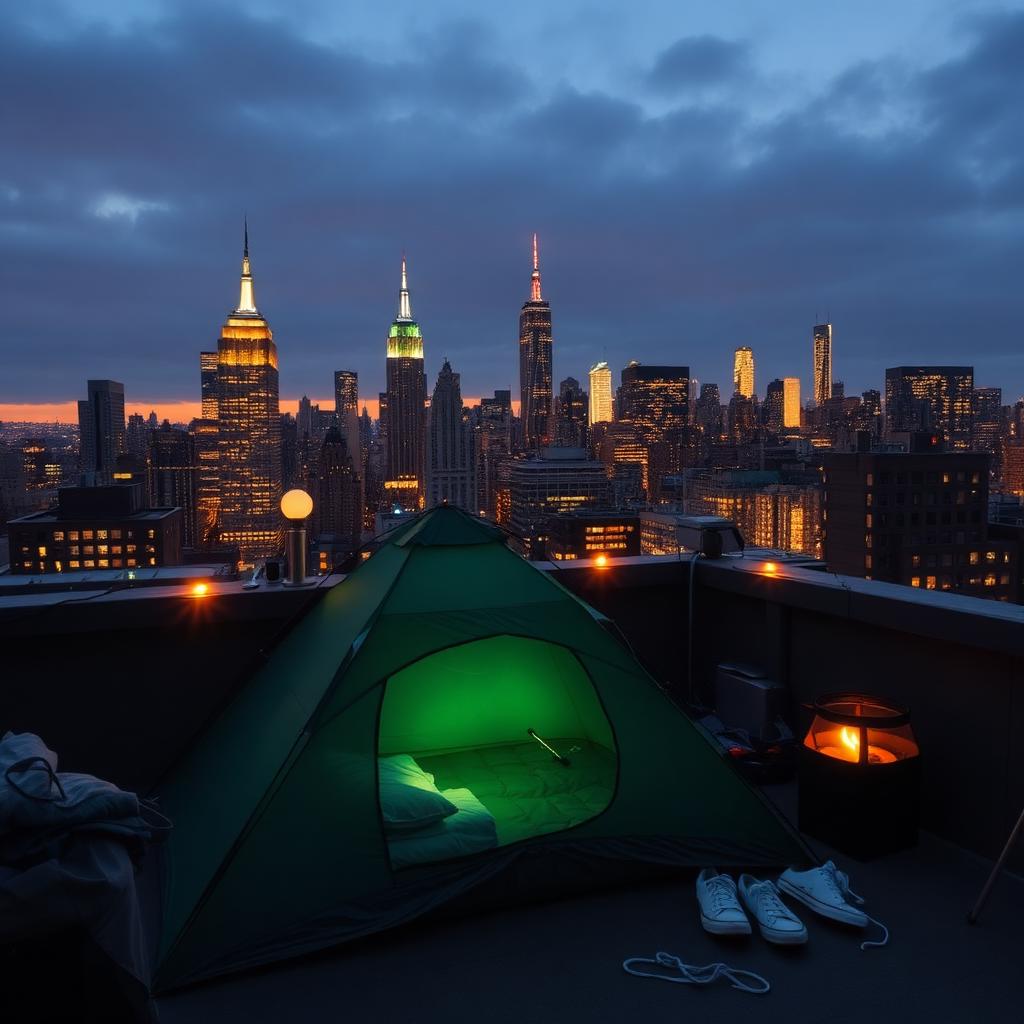
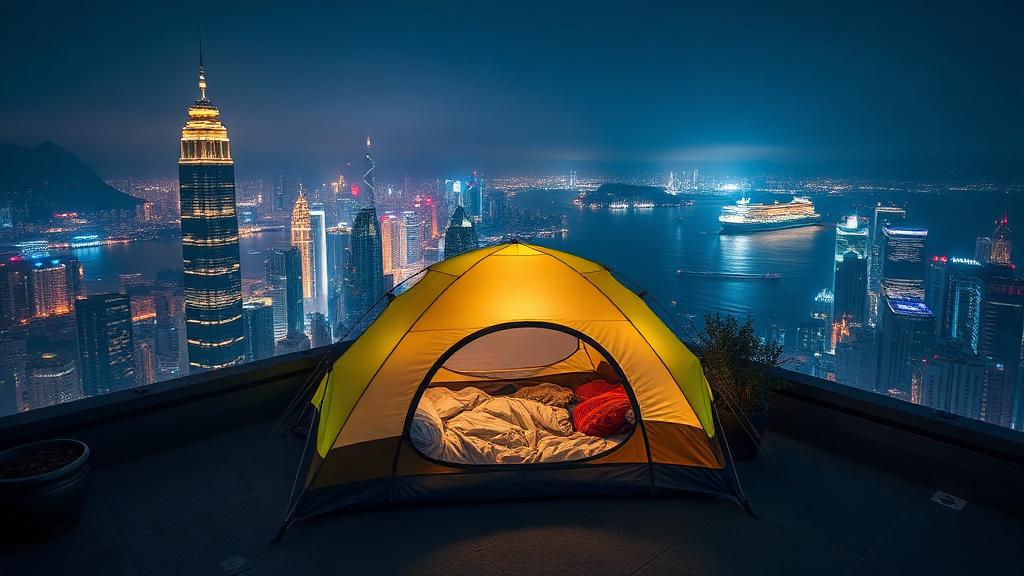
Several boutique hotels in Sheung Wan and the Mid-Levels have developed rooftop camping offerings that provide safe, legal access to elevated outdoor sleeping. These typically involve premium glamping tents installed on hotel roof terraces, with full access to the property's amenities while offering the unique experience of sleeping outdoors amid the urban jungle.
The Tuve in Tin Hau and several properties in the Hollywood Road area have experimented with seasonal rooftop packages, though offerings change frequently. The experience typically includes spectacular views of Victoria Harbour, the dense hillside neighborhoods, and the ever-present backdrop of the Peak.
Industrial Building Conversions
Hong Kong's older industrial districts, particularly in Kwun Tong, Wong Chuk Hang, and parts of Kowloon, have seen significant creative repurposing of former factory buildings. Some of these conversions include rooftop spaces that occasionally host camping events, particularly during the cooler months from November through February.
These experiences tend to be more informal and are often organized through local outdoor communities or creative collectives. The aesthetic is typically more industrial-chic than luxury glamping, appealing to adventurous travelers who appreciate authenticity over polish.
The Village Rooftop Alternative
Beyond the urban core, Hong Kong's surviving traditional villages offer a completely different rooftop experience. In areas like Tai O, Peng Chau, and parts of the New Territories, low-rise village houses with accessible rooftops provide opportunities for rural-feeling camping within easy reach of the city.
Several guesthouses in these areas have developed rooftop camping options, combining the experience with traditional village life, fishing culture, and access to Hong Kong's surprising network of country parks and hiking trails. The contrast between a night on a village rooftop and a day in the urban center creates a uniquely Hong Kong juxtaposition.
Navigating the Practical Challenges
Hong Kong's subtropical climate creates specific challenges for rooftop camping. Summer months (May through September) bring extreme heat, high humidity, and frequent thunderstorms that make outdoor sleeping impractical. The optimal season runs from late October through early March, when temperatures moderate and skies clear.
Air quality varies significantly, with winter often bringing clearer conditions thanks to northerly winds that push pollution south. Checking the Air Quality Health Index before planning outdoor nights is advisable, as poor air quality can significantly diminish the experience.
Light pollution is, paradoxically, both a challenge and an attraction. While star visibility is limited in the urban core, the endless carpet of lights spreading across the hillsides and harbors creates its own form of celestial beauty that many find equally compelling.
Essential Preparations
Quality sleep systems matter more in Hong Kong's variable conditions than in many destinations. Bring or arrange for well-insulated sleeping pads to provide both comfort and protection from concrete surfaces. Even in winter, breathable fabrics are preferable to heavy insulation, as temperatures rarely drop below 10°C in the urban areas.
Mosquito protection is essential except during the coldest months. The combination of humidity and standing water on many rooftops creates breeding grounds that persist well into autumn. Quality repellent and treated fabrics make the difference between a memorable night and a miserable one.
The Cultural Context
Rooftop culture in Hong Kong reflects the city's core characteristics: adaptability, resourcefulness, and a willingness to maximize every available space. Camping on rooftops connects visitors to this spirit in ways that ground-level tourism never can.
The practice also reflects Hong Kong's environmental consciousness, with many rooftop spaces now featuring container gardens, solar installations, and rainwater collection systems that represent the community's growing commitment to sustainability within extreme density.
Safety Considerations
Legal rooftop camping experiences prioritize safety, but the informal nature of some offerings requires careful judgment. Never access rooftops without proper permission, as Hong Kong's building management ordinances carry significant penalties. Ensure any experience includes proper fire safety measures and emergency exit access.
Weather monitoring is essential, as Hong Kong's famous typhoons can develop rapidly during the storm season. Reputable operators will cancel experiences when weather threatens, and visitors should never pressure for exceptions to safety protocols.
Hong Kong's rooftops offer a window into aspects of the city that remain invisible from street level—a parallel world that reveals the creativity and resilience that have defined this remarkable place for generations. For those willing to look up, the view is unforgettable.