Introduction to Seattle Urban Hiking
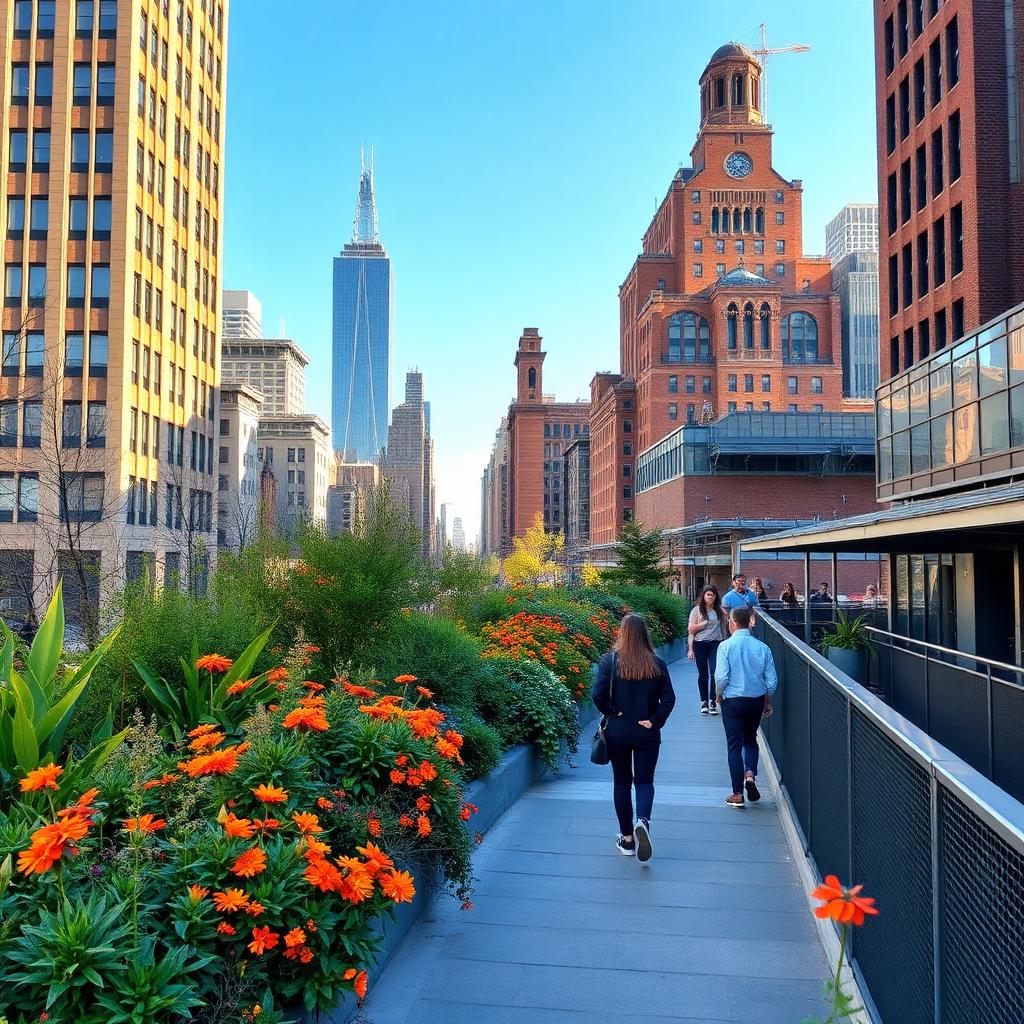
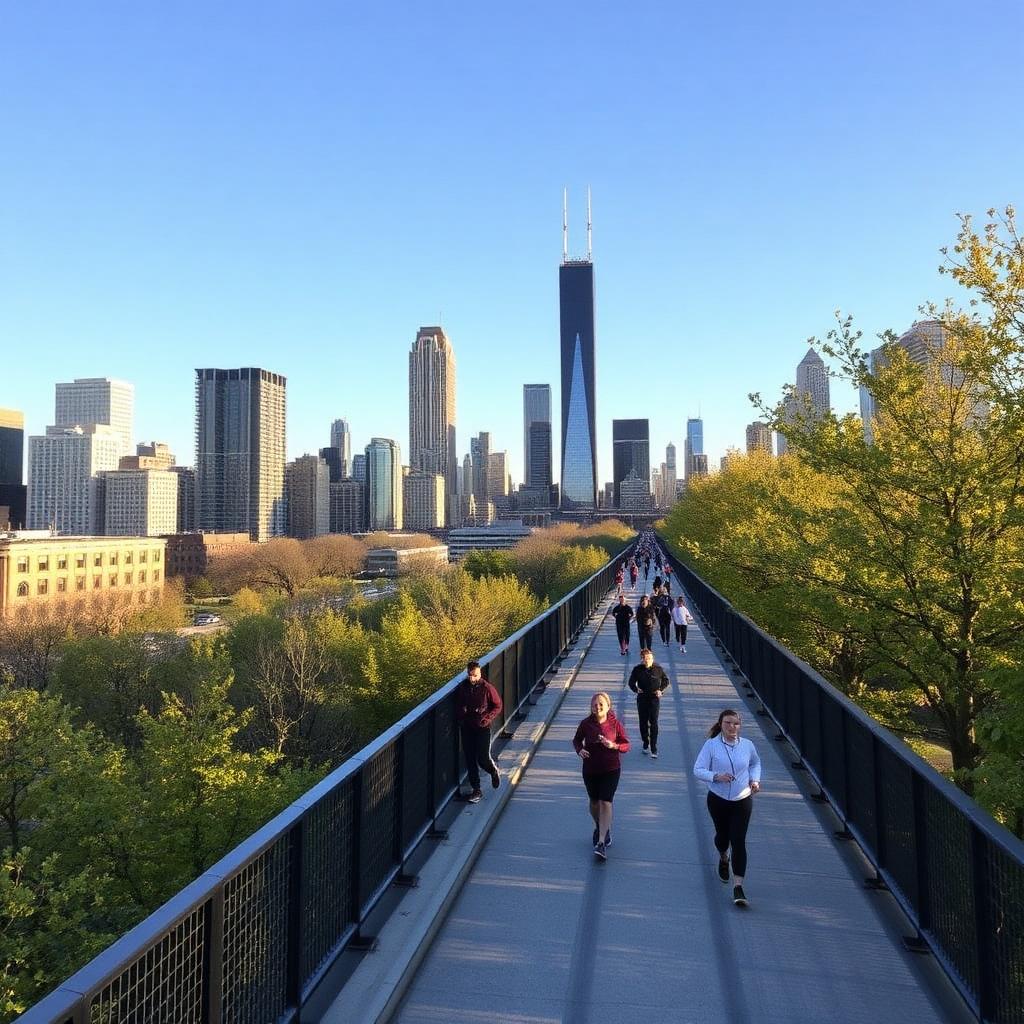
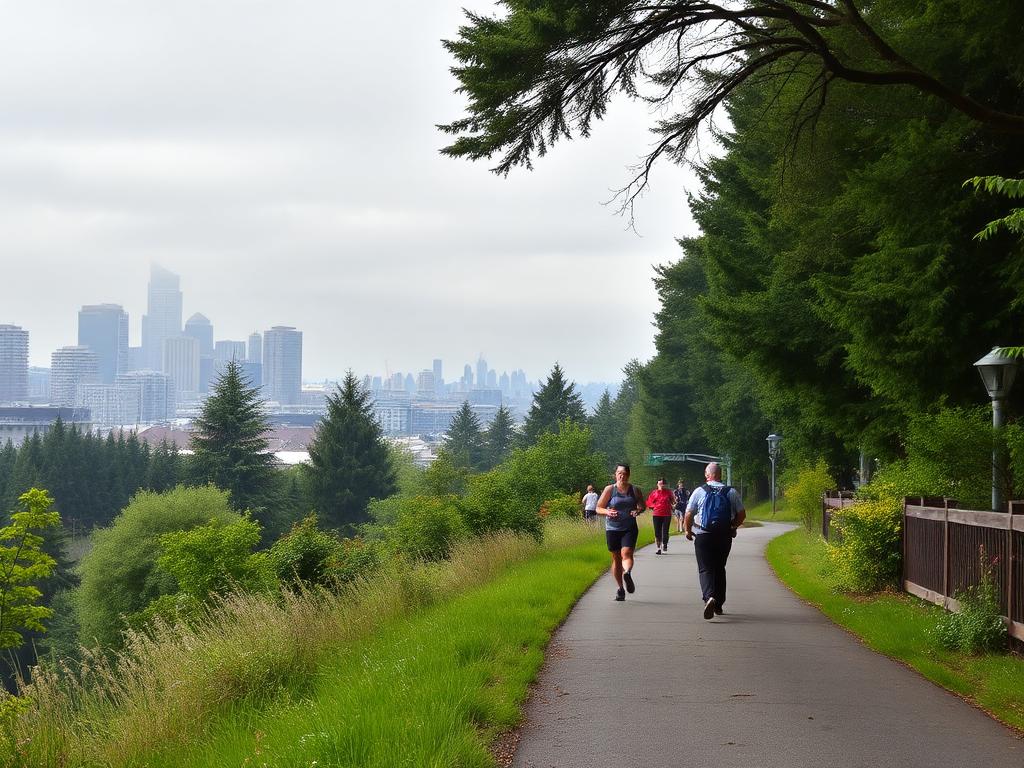
Seattle's geography creates unique urban hiking opportunities unlike any other American city. Surrounded by mountains, forests, and water, the Emerald City weaves nature into its urban fabric through an extensive network of trails, greenways, and waterfront paths.
Understanding Seattle's Trail Network
The Geography Advantage
Seattle's hills, lakes, and waterways create natural corridors for urban trails. The city's commitment to greenspace preservation means that substantial nature experiences exist within minutes of downtown.
Climate Considerations
Seattle's famously gray weather actually creates ideal hiking conditions – cool temperatures, lush vegetation, and fewer crowds. Come prepared for light rain, and you'll often have trails to yourself.
Top Urban Hiking Destinations
Discovery Park
Seattle's largest city park offers 534 acres of forest, meadows, and dramatic bluffs overlooking Puget Sound. The 2.8-mile Loop Trail provides the quintessential Seattle urban hiking experience, with views of the Olympic Mountains and passing marine traffic.
Burke-Gilman Trail
This 27-mile converted rail trail connects neighborhoods from Fremont through the University District to Bothell. The segment through Gas Works Park offers iconic Seattle skyline views, while sections along Lake Washington provide peaceful waterfront walking.
Washington Park Arboretum
The Arboretum's 230 acres contain over 40,000 plants from around the world. The Waterfront Trail along Foster Island provides a unique experience walking through floating marshlands with mountain and lake views.
Carkeek Park
This north Seattle gem combines forest hiking with beach access. Trails wind through old-growth forest remnants before emerging at a beach where salmon return each fall to spawn in the restored Piper's Creek.
Green Lake Loop
The 2.8-mile paved loop around Green Lake is Seattle's most popular urban walking destination. The flat, accessible trail offers easy walking with consistent lake views and mountain backdrops on clear days.
Seasonal Hiking Recommendations
Spring
Cherry blossoms peak at the Arboretum and University of Washington campus. Occasional sunny days offer mountain views.
Summer
Dry months provide the most reliable hiking weather. Extended daylight enables evening walks.
Fall
Salmon runs at Carkeek Park offer unique wildlife viewing. Fall foliage colors peak at the Arboretum.
Winter
Mild Pacific Northwest winters allow year-round hiking. Snow-capped mountains visible from urban viewpoints create dramatic contrasts.
Practical Preparation
Layered, moisture-wicking clothing handles Seattle's variable conditions. A lightweight rain jacket should always be carried. Comfortable walking shoes with good tread handle frequent wet conditions.
Conclusion
Seattle's urban trails offer hiking experiences that rival destinations requiring long drives. Whether you're seeking forest solitude, waterfront walking, or dramatic viewpoints, Seattle's trails deliver authentic Pacific Northwest experiences in an urban setting.